Roof scopes near Prasada East start with the property that is actually built or under construction, not a map label. Near Sarival Avenue and Waddell Road in Surprise, AZ, Prasada East is planned as a multi-property commercial project. Retail permit applications were under review in spring 2026. Those proposed projects are not completed buildings, so the roof work discussed here applies to existing properties in the broader area or to planning and coordination as a project advances.
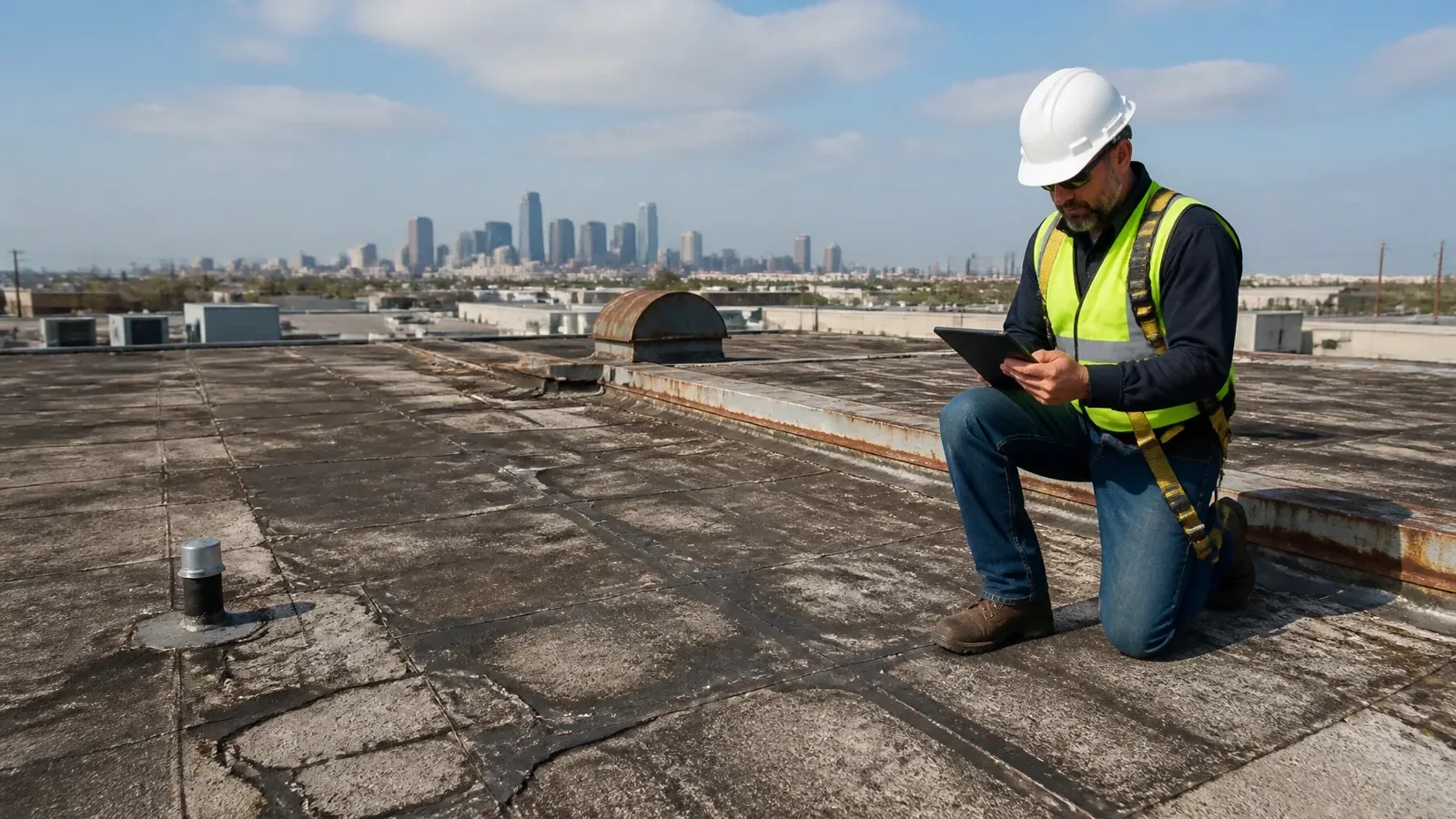
For a built property, we inspect its membrane, flashing, drains, edge metal and penetrations before choosing repair, restoration or replacement. For a project still in review, roof details belong in the coordination set, with drainage and equipment interfaces checked before installation. A condition report gives an owner a record of what exists on the roof being evaluated, rather than assuming a proposed building has a finished assembly.
Keep proposed and operating properties distinct
Prasada East sits near Sarival Avenue and Waddell Road as part of Surprise's wider west-side commercial growth area. The project is planned as a multi-property development, and retail permit applications remained under review in spring 2026. That status matters. A permit application is not proof of completed construction, tenants or installed roofing. When an owner has an operating building nearby, we inspect that building directly and keep its repair scope separate from any proposed work.
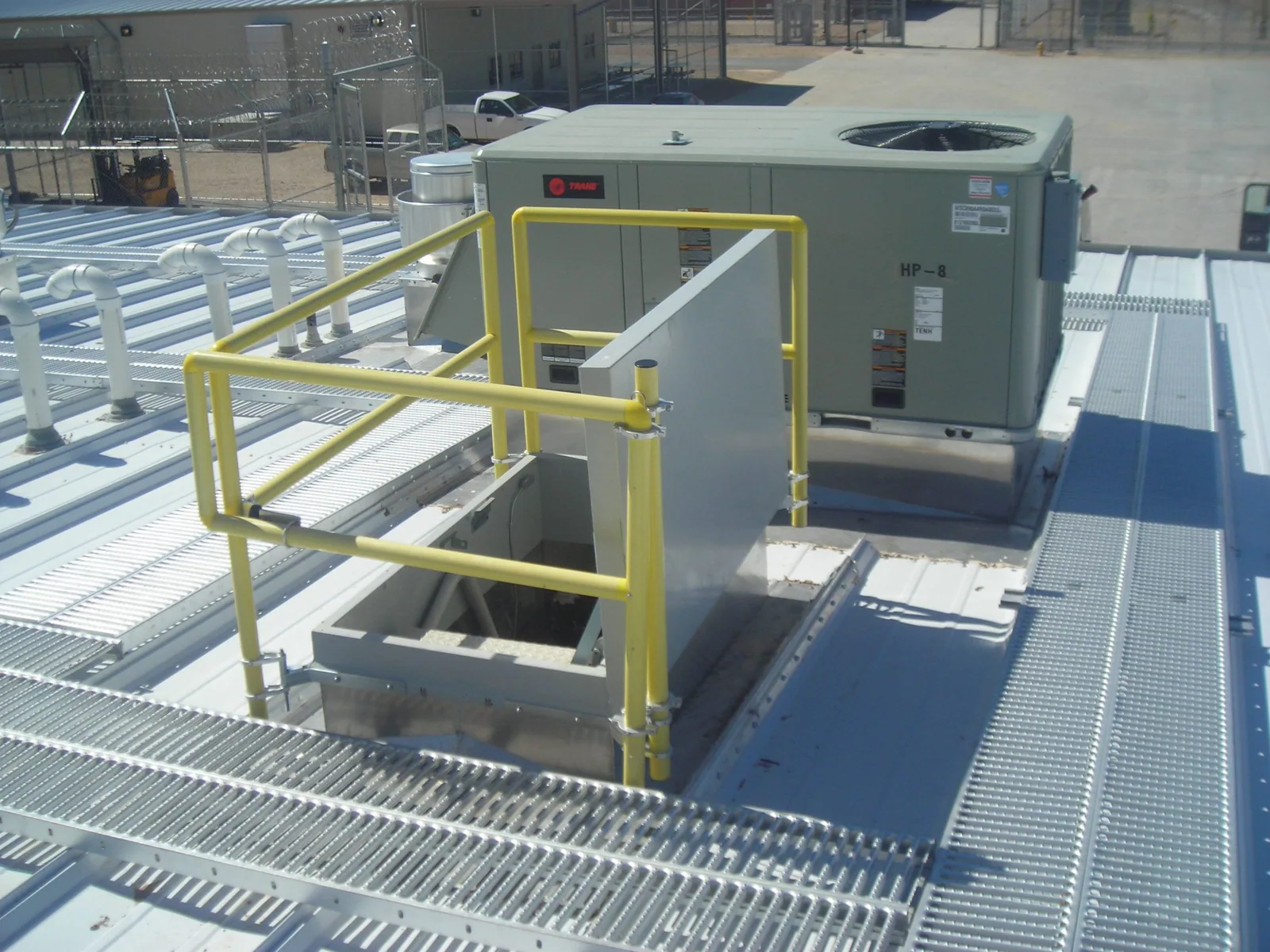
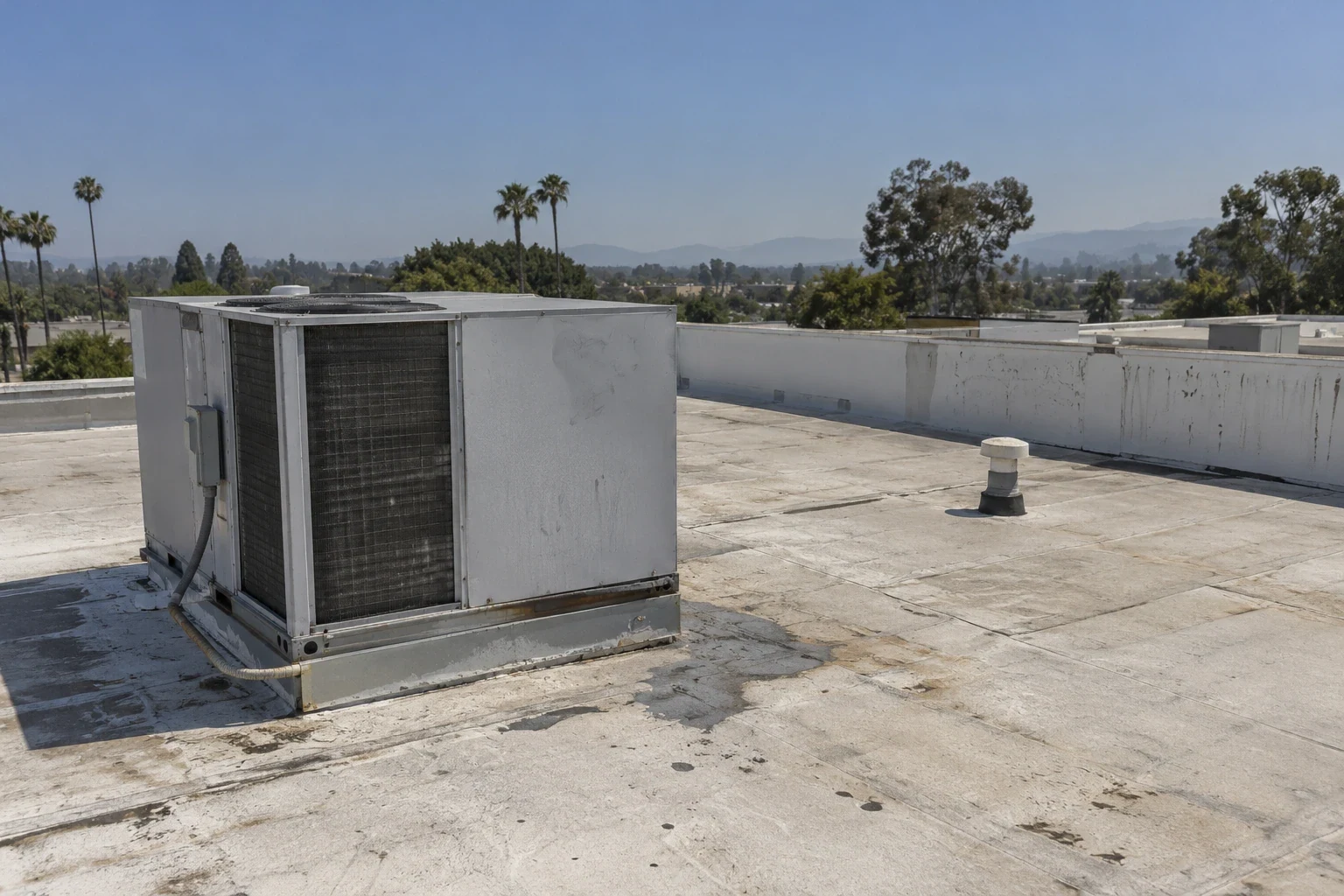
On a new commercial roof, drainage, curb heights, edge terminations and equipment supports should be coordinated before the membrane goes down. A low-slope assembly has many transitions where a later trade can disturb flashing or fasteners. We review the drawings and field conditions, note responsibility at each tie-in and document any changes as work proceeds. For existing facilities, we look for the same vulnerabilities in completed details, especially around HVAC equipment and penetrations. Our roof curb and equipment support work focuses on waterproofing those interfaces.
The surrounding network of Waddell Road, Sarival Avenue and established Prasada commercial areas brings construction and operations into the same wider district. Access, delivery timing and rooftop trade sequence need to be agreed with the property team. Before staging, we confirm roof access, material route, fall protection and any areas that must remain open. For a building still being completed, we coordinate the roofing sequence with other trades; for an operating roof, we isolate work and protect temporary openings at the end of each shift.
Specify for desert sun and storm drainage
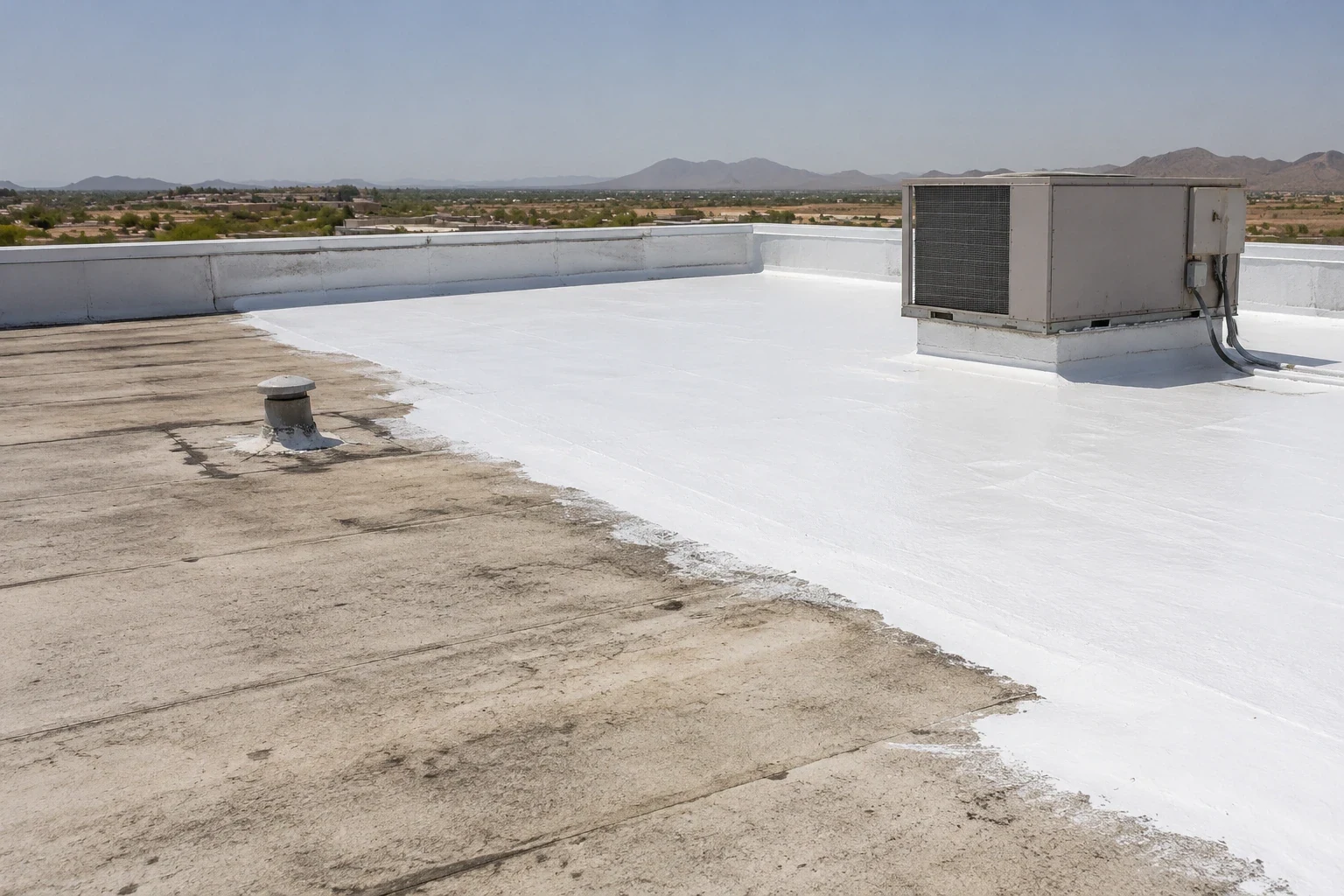
Low-desert heat loads the roof long before a storm reaches it. One regional heat reference comes from Sky Harbor: its July normal mean is roughly 95.5 degrees in the 1991 to 2020 record. The station serves as a metro proxy; Surprise shares the hot low-desert setting. Surface preparation and application conditions matter for membranes, sealants and coatings. We check how flashing meets the field sheet, whether seams remain secure and whether existing repairs have become brittle. A coating requires a clean, dry, compatible surface and cannot make trapped moisture disappear.
Central-Arizona summer monsoon storms can produce damaging wind and flash flooding in the Phoenix metro, with hail also possible. On an existing roof, we examine perimeter details, drains and overflow routes to see whether wind or water has exposed a weak point. On a planned assembly, the design should account for drainage and secure terminations before finish work. After a storm, we photograph observed conditions and distinguish them from areas that need closer testing, avoiding assumptions about uninspected roof zones.
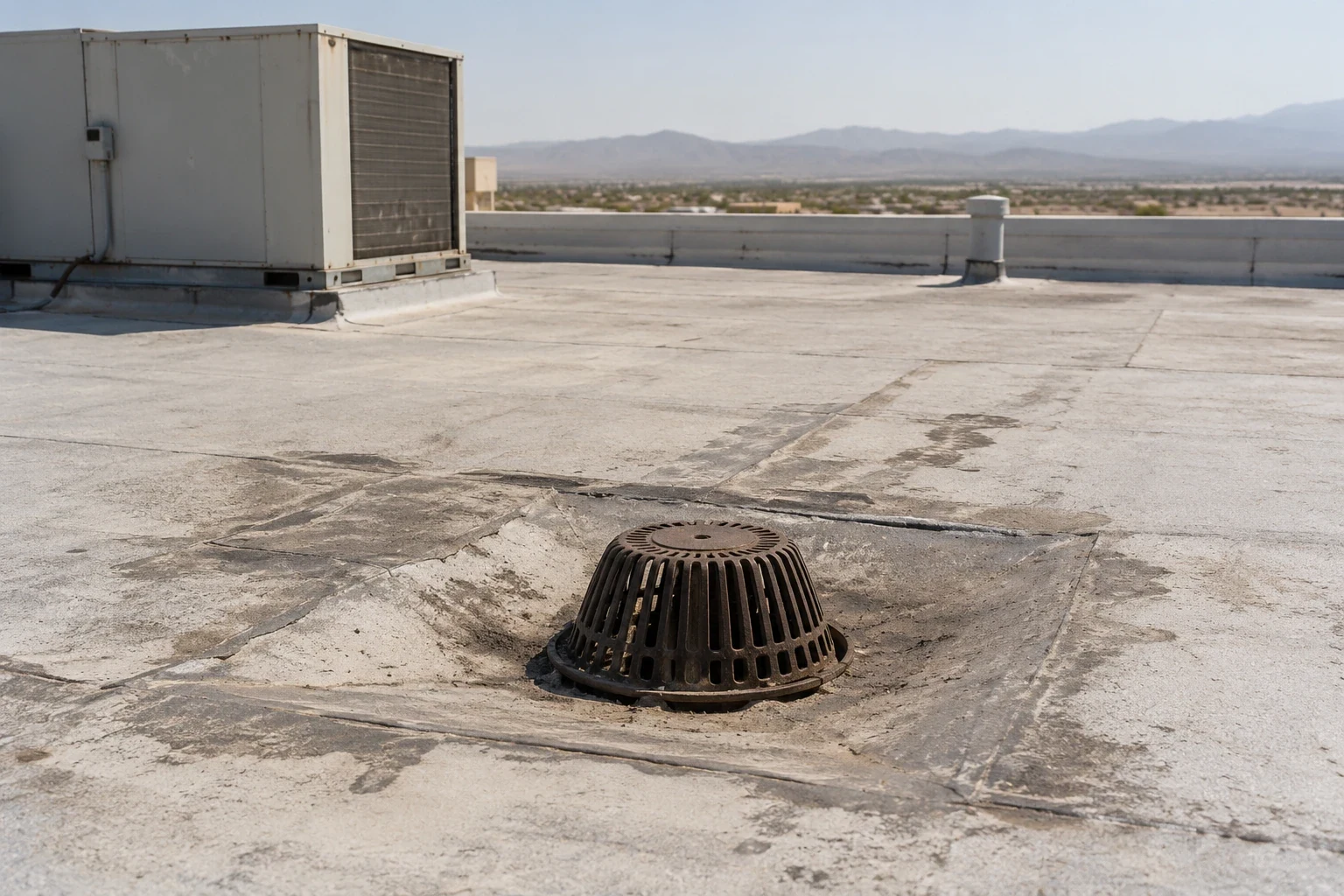
Drainage must work through the whole route, from slope and sump to outlet and discharge. A blocked drain and a low roof area require different corrections. We inspect for debris, damaged strainers, loose flashing and standing water, then discuss whether cleaning, repair or a larger design review is needed. A well-documented finding helps an owner assign the right trade and avoid repeating a temporary patch.
Plan a repair, restoration or replacement
For a completed property with a localized seam or flashing failure, a repair can be appropriate when adjacent membrane and insulation remain sound. We trace the entry path rather than patching only the ceiling location. When several zones show failure, wet insulation or repeated repairs, an owner should compare a full-system plan with continued spot work. The number of drains, penetrations, edge transitions and equipment curbs affects the scope as much as the open field.
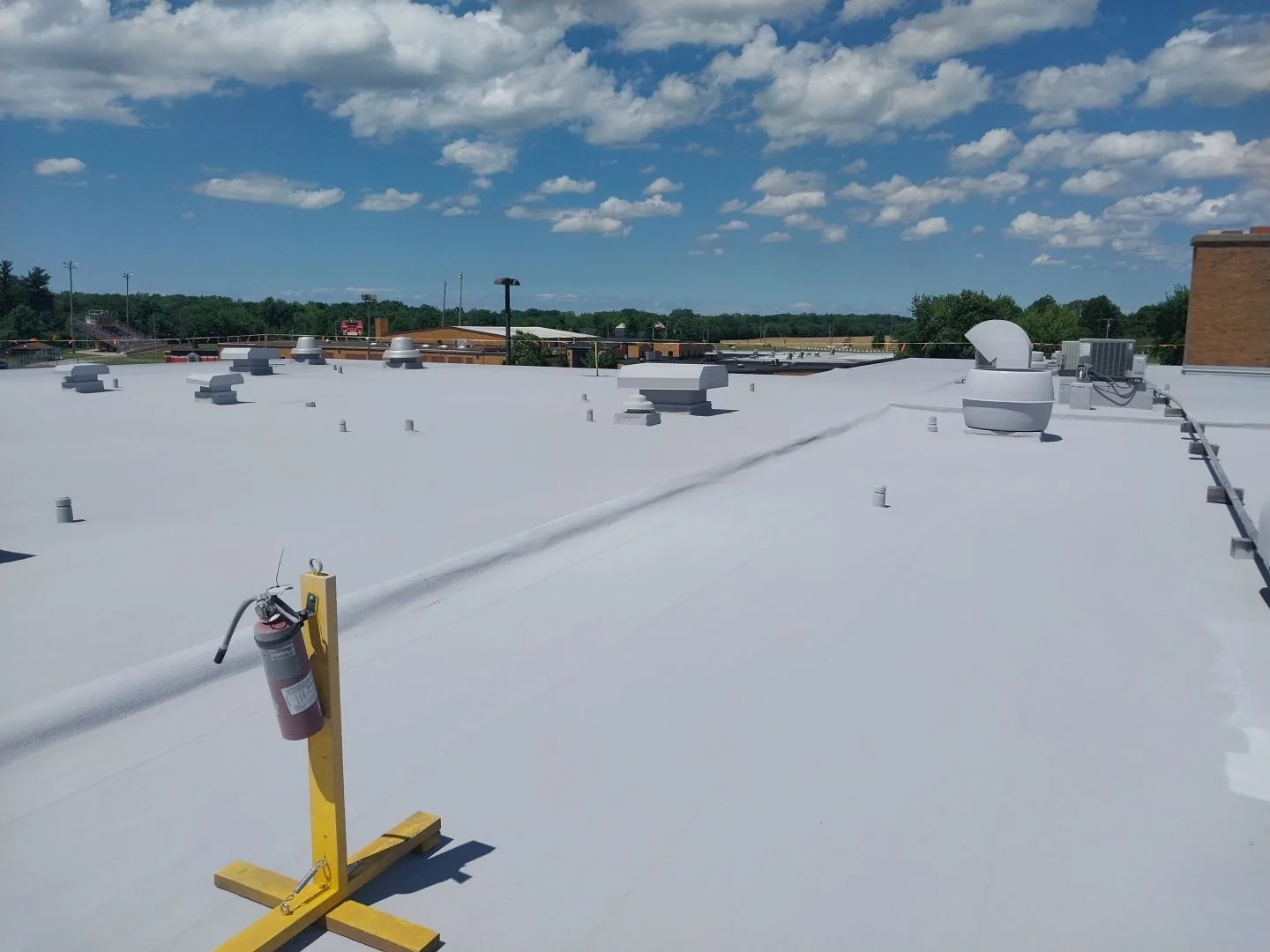
A recover may fit only when the existing assembly is dry, attached and eligible for another layer. We check the substrate and transitions first. If a coating is under consideration, we confirm adhesion, surface condition and moisture; if those checks fail, we do not price coating as a solution. Our recover and overlay evaluation identifies whether the existing roof can support that path, while coating and restoration begins with compatibility and preparation.
Replacement planning covers tear-off or overlay status, insulation, edge details, rooftop equipment, disposal and a safe sequence. In Surprise, local amendments apply to the 2024 building and existing-building code editions that took effect January 1, 2026. Energy, fire and electrical provisions can also affect scope when insulation or rooftop systems change. We check the permit path for the actual work before setting the assembly and budget. That step is useful for both a capital project and a phased renovation.
Coordinate work with the project stage
A proposed project needs roof details coordinated before a trade reaches the deck. We can review drainage intent, equipment penetrations, perimeter securement and the transitions between roof zones. Once the building is operating, the maintenance team needs a roof map, material record and access plan. A handoff that includes photos and details can make a later repair more precise. If construction is underway, we identify which work is complete and who owns each unfinished interface before making a repair recommendation.
For occupied buildings near Waddell Road, our occupied-building reroofing plan sets out access, tenant communication and phasing. Drainage issues can be scoped through drain and scupper repair, and a broader replacement can be compared against full roof replacement where existing conditions require it. The adjacent established Village at Prasada district and Prasada North have separate project and operating contexts; an assessment for each property needs its own findings.
We finish a visit by sorting conditions into immediate repair, monitoring and further evaluation. Leak records, prior invoices, warranty documents and a current roof plan help the owner decide what comes first. When water is actively entering, around-the-clock response is available, including holidays. For planned work, we document the visible condition, confirm any required testing and explain the schedule drivers before committing to a scope.
Keeping the project status clear protects both schedule and budget. An application under review is a planning signal, not a roof that can be inspected. A completed building has an assembly, access points and maintenance needs that can be verified. We work from those facts, then coordinate the next roof action with the owner and the other trades involved.
Commercial Roofing Questions
Can you inspect a building before Prasada East construction is complete?
We can review an existing roof or coordinate roofing work that is actually in progress. Retail permit applications were still under review in spring 2026, so a proposed building cannot be treated as completed. We confirm the project stage and identify which roof assembly and trade interfaces are available to inspect.
What roof details should be coordinated before other trades install equipment?
Curb height, flashing, support attachment, conduit penetrations and service clearance need a roof-compatible detail. We confirm the membrane tie-in and who is responsible for sealing each interface. A recorded handoff helps prevent later equipment work from leaving an opening or loose termination.
When does a roof need more than a patch?
Repeated leaks, wet insulation or failures in several roof zones can point beyond one defect. We map the conditions and compare repairs with restoration or replacement. The recommendation depends on the assembly, moisture, attachment and remaining serviceable area, not on the development label nearby.
How do permit requirements affect roof replacement?
The permit path depends on the scope and the city's adopted codes and amendments. We check applicable building, existing-building, energy, fire and electrical provisions before finalizing the assembly. That review can identify insulation or rooftop-system requirements that affect sequencing and cost.
Ready to review the roof scope?
Request a Roof Assessment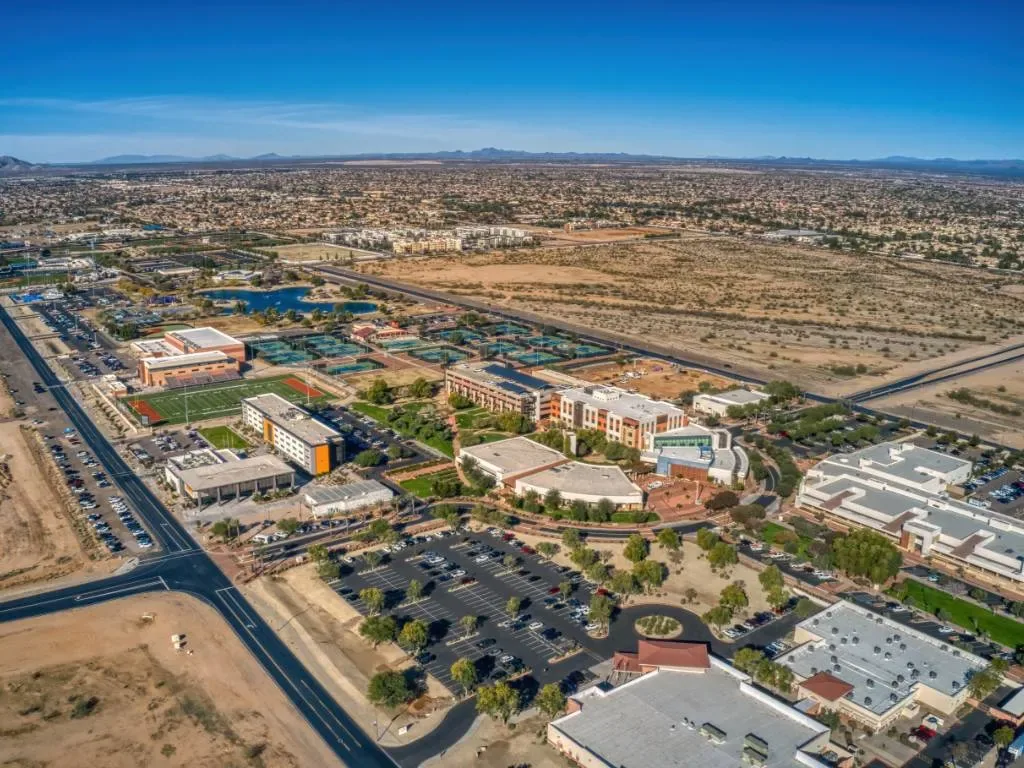
Related Roofing Work
Tie the roof scope to the actual project stage
Tell us whether the property is operating, under construction or still in planning, and share available roof or drawing records. We will confirm what can be inspected and set a condition-based next step.