Roof work on Wittmann's rural edge needs a different access check than a job inside a denser city area. Wittmann is an unincorporated community in the Surprise-Buckeye West Valley study area along the US 60 and Arizona 74 corridor network. We confirm how the property is reached, where a crew can stage and what roof sections are safe to inspect before we price work. The local route and actual building conditions lead the scope.
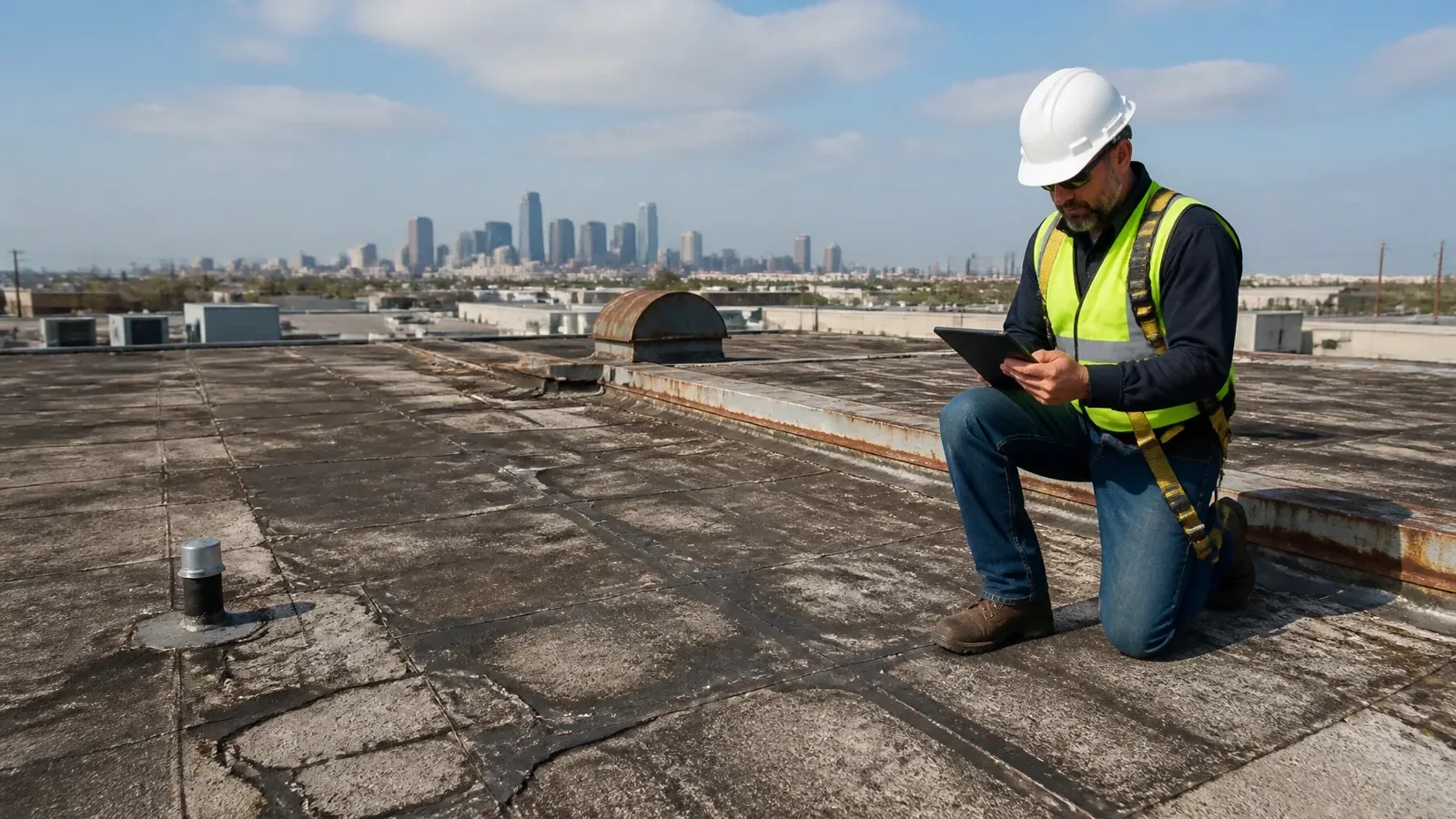
We look for open seams, damaged flashing, loose edge metal, clogged drains and water paths around rooftop equipment. A leak at a ceiling can be offset from the roof opening, so we compare interior notes with conditions above. Inspection photos and a written condition record help an owner plan repairs or a larger project. Our roof condition report captures the roof zone and the repair boundary for follow-up.
Separate rural access from roof condition
The Surprise-Buckeye study area describes a broad West Valley setting, not a single property or building type. The community's corridor location does not determine an individual roof system. Before the walk, the owner can identify the service road, locked gate, access hours and any limitations on equipment. The crew then confirms those conditions on arrival and uses the approved route. A longer or rougher approach may affect mobilization, but the roof scope still depends on the assembly and the visible defects.
US 60 and Arizona 74 form part of the corridor network identified for this community. The route context can help a manager organize access, but it does not tell us how a particular building drains or where the roof hatch sits. On site, we identify the membrane or metal system, inspect transitions and confirm whether prior repairs have remained bonded. For a metal assembly, loose fasteners, open side laps and failed sealant can create different repair needs than a membrane seam. The commercial roof inspection records those details without assuming a material.
Before bringing a lift or bulk material, we verify turnaround space, ground conditions and overhead clearance with the property contact. If the building remains active, we also confirm vehicle movement, occupant access and interior protection below the work zone. A rural edge location can make a second trip slower to coordinate, so available drawings and prior repair records are useful at the first visit. We mark any inaccessible zone and agree on what condition would trigger a return visit.
Treat heat and monsoon weather as inspection cues
Wittmann's low-desert setting means long hot summers and possible monsoon thunderstorms. Heat can dry sealant and make exposed membrane or flashing less flexible; storm wind and rain can test perimeter attachment, penetrations and drainage. Those conditions tell us what to examine, not whether a specific roof is damaged. We record actual seams, laps, fasteners, edge metal and repair patches, then connect each finding with the building's maintenance history.
When monsoon rain reaches a roof, a clear drain path matters as much as the open field. We inspect strainers, scuppers, overflow openings and the area around each outlet. A blocked drain, a low point and a failed flashing call for different corrections, so we note where water collects and whether it has a route off the assembly. After reported wind or hail, we photograph observed effects on the property and avoid assigning an event to any condition that the inspection cannot support.
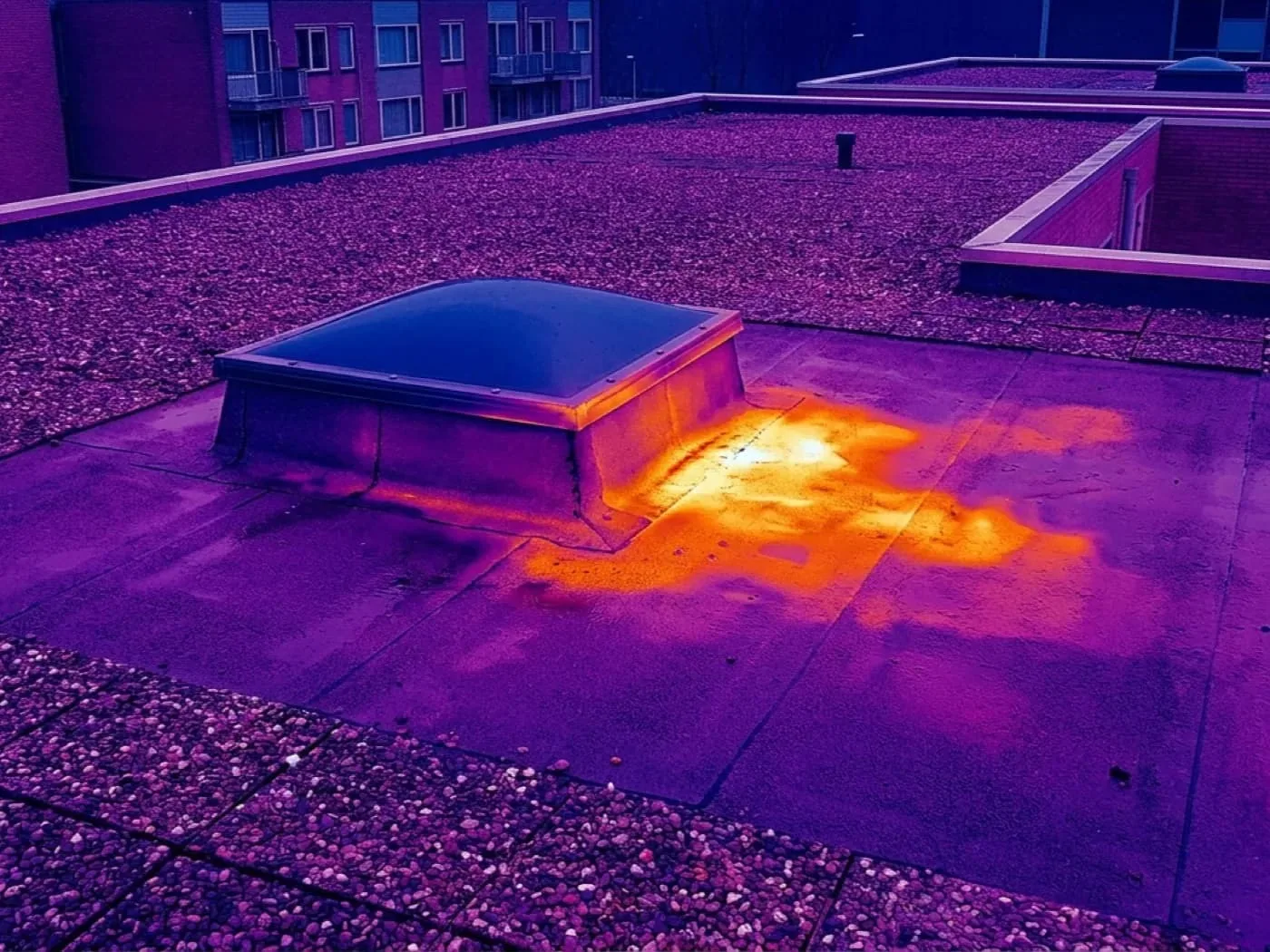
Emergency response is available around the clock, holidays included, when water is entering and cannot wait for a planned appointment. We can protect the opening and limit exposure, then document the permanent repair and any further testing. If a roof has been patched several times, a photo record lets the owner compare whether the same edge or penetration is failing again. For suspected concealed moisture, our infrared moisture survey may be considered after we confirm the roof and surface are suitable for that method.
Choose the scope that fits the defect
A single puncture, open seam or loose penetration flashing may be repaired when surrounding material is sound. We clean the area, prepare a stable tie-in and record the finished boundary. If several defects appear across the roof or insulation is wet, repeated spot work may cost time without correcting the wider issue. A condition report helps the owner decide whether more testing, restoration or replacement should be priced.
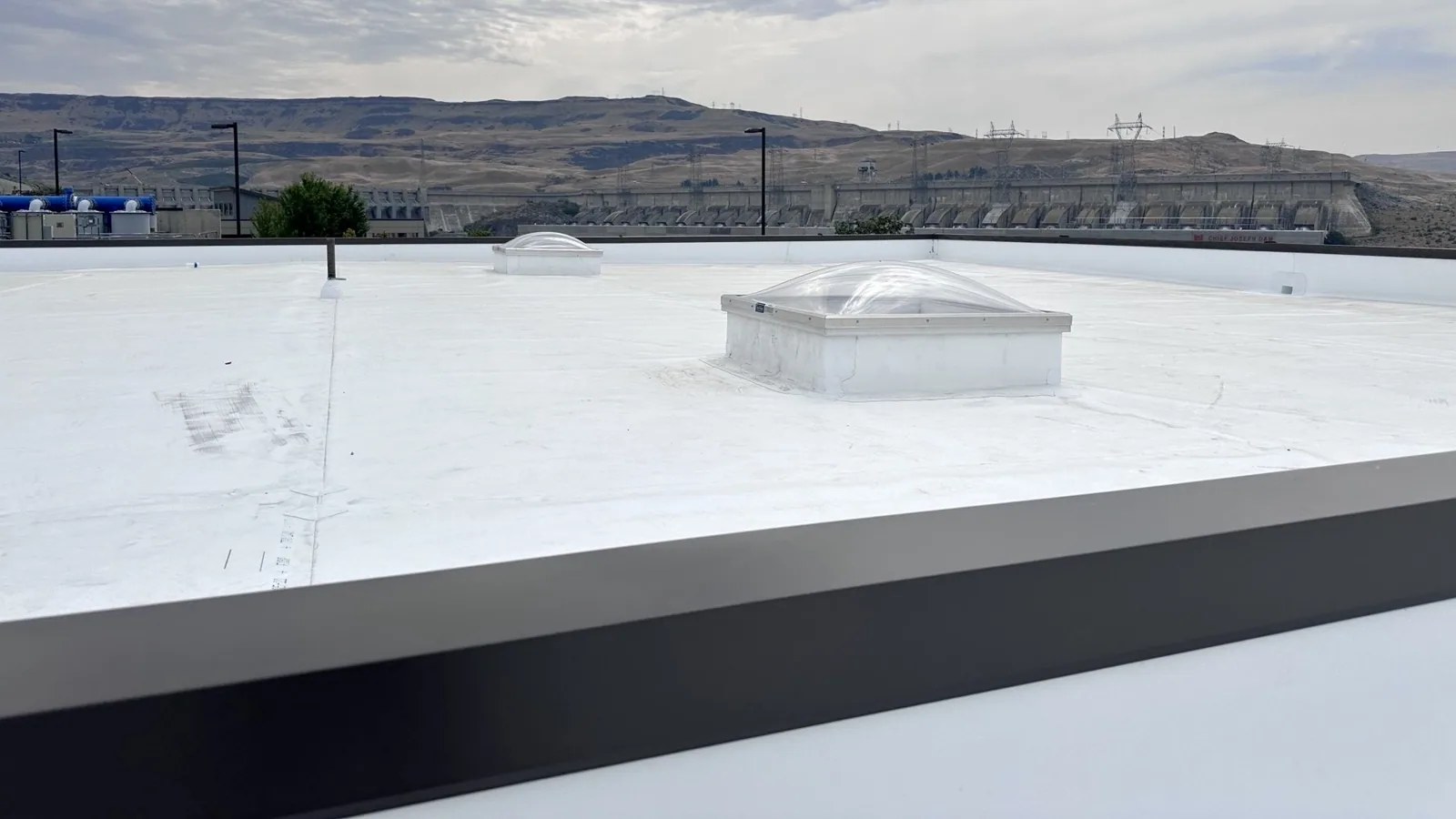
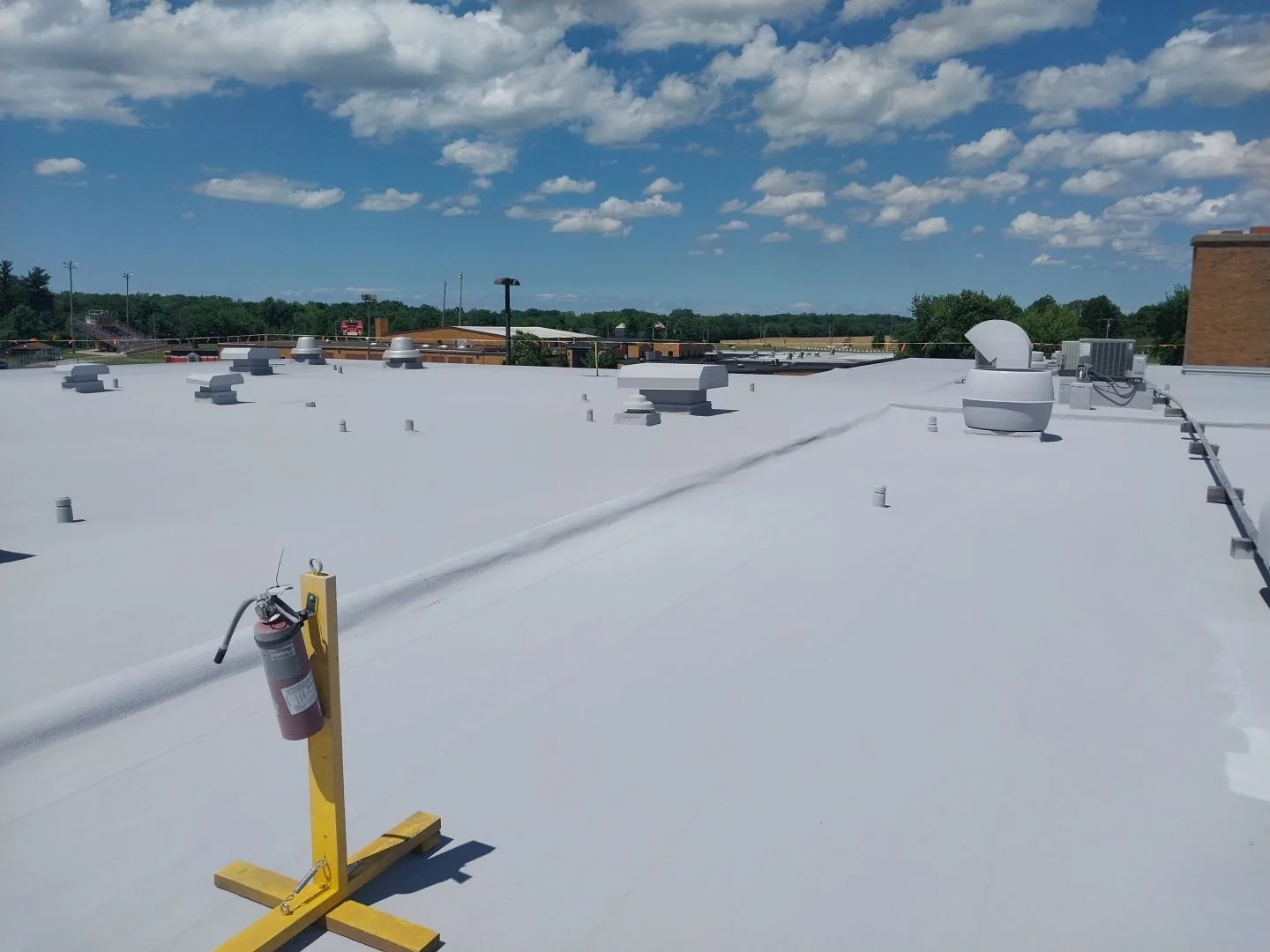
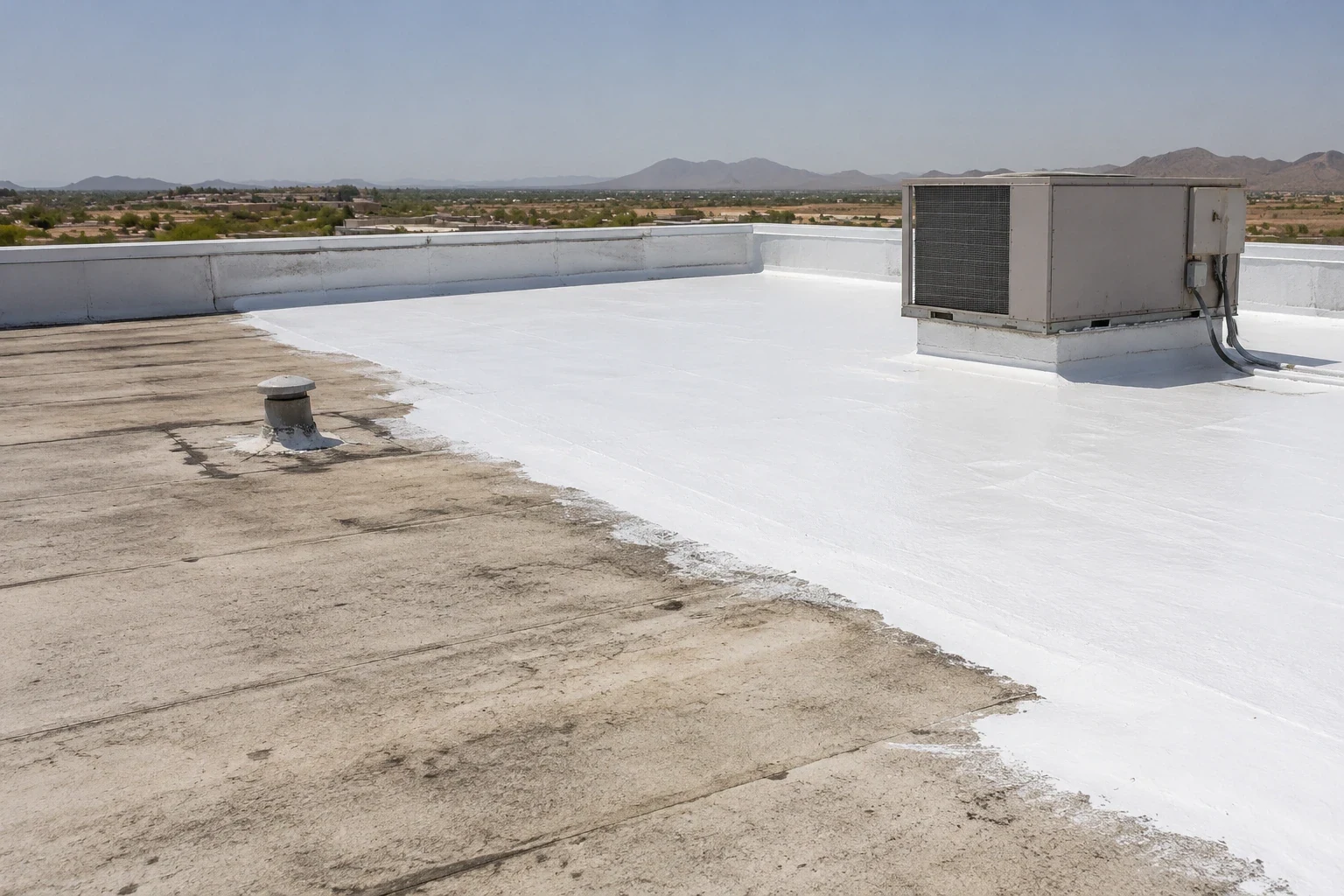
A recover or coating needs the right substrate and assembly. We check for moisture, attachment, layer count, drain height and compatible materials before considering another layer. When the roof is not suitable, replacement may be the better long-term scope. Our recover and overlay review checks eligibility, while coating and restoration work evaluates surface preparation and detail condition.
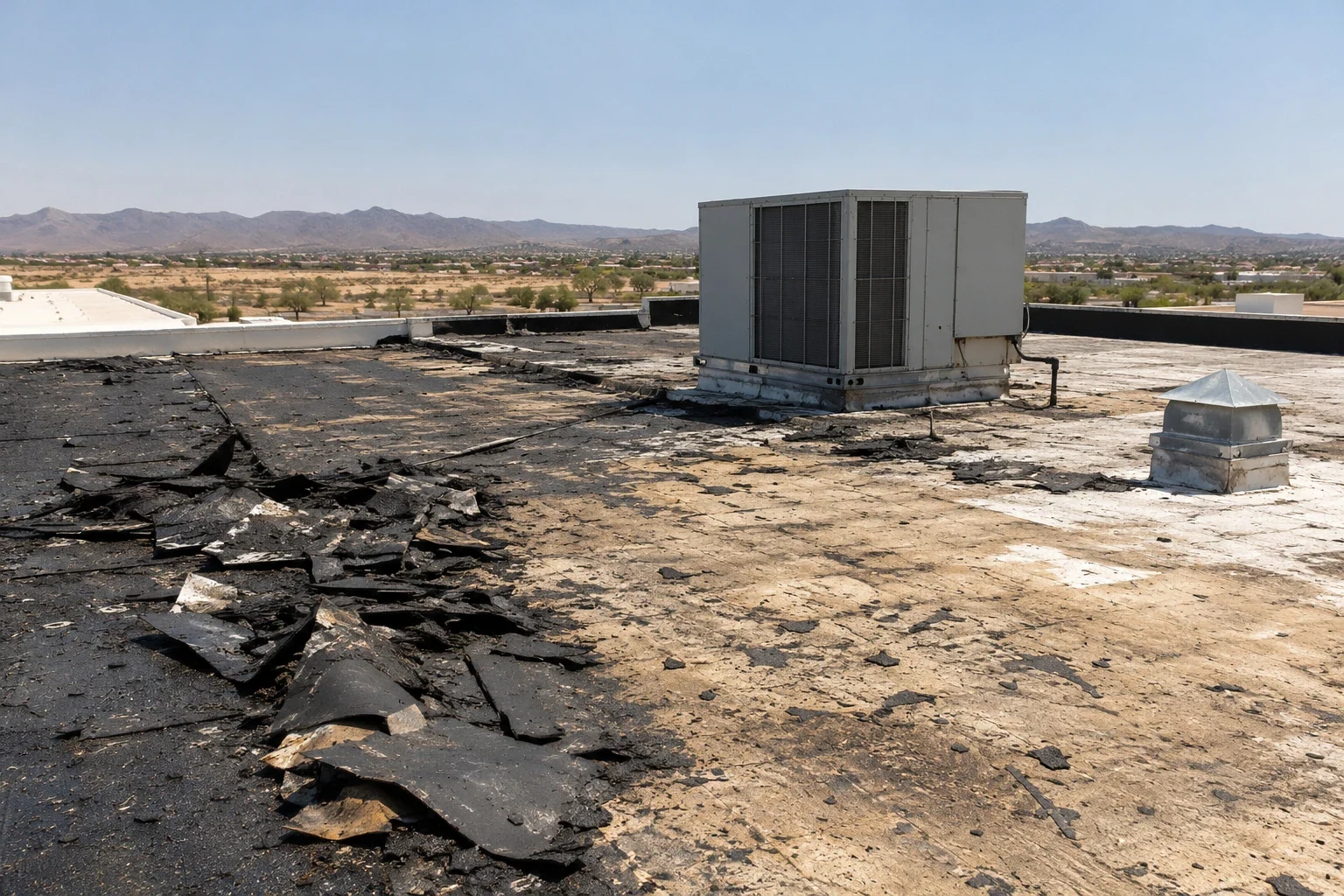
Replacement cost and schedule depend on the work area, insulation, edges, drains, penetrations, material handling, site access and interior protection. The proposal should distinguish immediate stabilization from permanent roof work, and state how concealed damage will be handled if opening the assembly changes the findings. Our replacement scope identifies tear-off or overlay, disposal, tie-ins and daily dry-in points so an owner can compare options clearly.
Make the work plan usable at the property
A site contact and roofing lead should settle access, staging, safety boundaries and work hours before mobilization. If roof sections are being opened, we establish the amount of area that can be dried in before the shift ends and how rain protection will be handled if the weather changes. We identify whether another trade must finish an equipment or electrical connection before the roof can be closed. The day's handoff should say what was completed and what still needs attention.
Wittmann's place in the Surprise-Buckeye study area ties the community to broader West Valley planning. The Buckeye service area and Surprise's US 60 and Grand Avenue corridor are other broad geographic contexts; a roof survey still records each property's own system, access and condition. For occupied buildings, our occupied-building work sequence addresses phasing and protection when daily operations continue.
After the work, keep photos, repair records, material details and any test results with the building file. At a later visit, we can inspect the same seam, drain or edge and compare the present condition with the closeout record. If a larger project has to wait, we can list maintenance items and a trigger for reevaluation. That helps the owner keep the roof decision active without treating temporary protection as a permanent repair.
To schedule a first walk, share roof plans if available, leak locations, access limitations and prior work notes. We inspect the areas that can be reached safely, photograph conditions and identify questions that require testing. The written scope then separates confirmed work from open items and explains cost and timing drivers. A useful plan lets the property team coordinate crews, tenants and other trades with the roof work clearly defined.
Commercial Roofing Questions
Does Wittmann's corridor location determine a building's roof material?
No. US 60 and Arizona 74 identify regional connections, not the assembly on a property. We use roof records and field details to identify the system, its layers and the condition that affects the repair.
What should I prepare for a roof visit at a rural property?
Send access directions, gate or escort requirements, available drawings, leak notes and previous repair records. We confirm the safe route and staging area with the site contact before bringing equipment or material.
Can a roof be repaired after a monsoon leak without a full replacement?
Often a defined opening can be repaired if surrounding membrane and insulation remain sound. We trace the entry path and inspect nearby details first. If moisture or repeated failures extend beyond one area, we compare a broader scope.
How do you handle a storm repair when the property is hard to access?
We coordinate the route and site contact, then prioritize protection of the opening and interior. We document the temporary work and return requirements separately from the permanent repair so the owner can plan both steps.
Ready to review the roof scope?
Request a Roof Assessment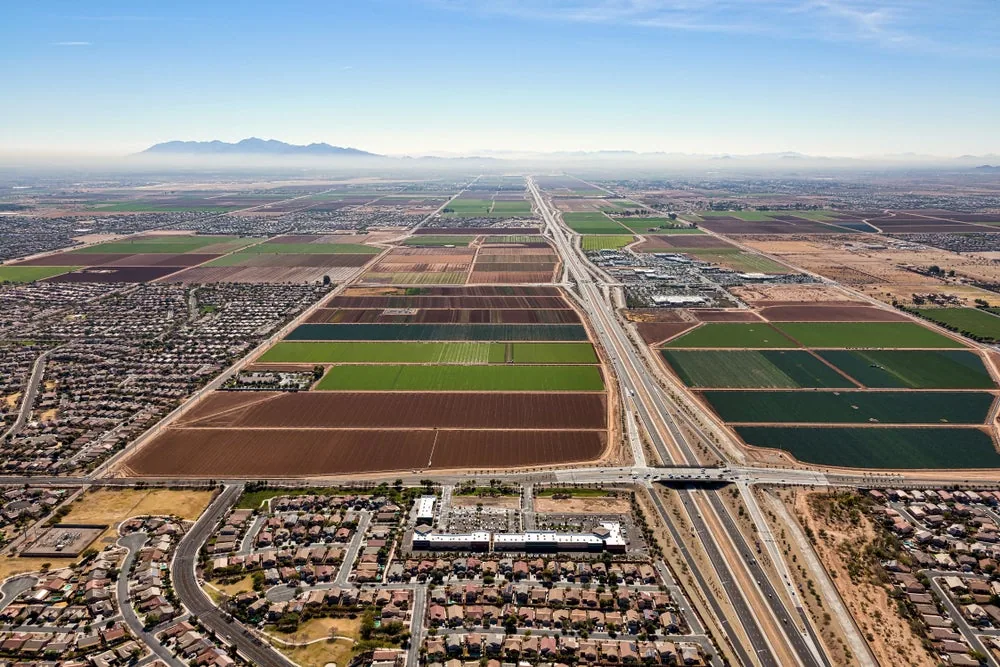
Related Roofing Work
Coordinate a Wittmann roof walk
Provide the access route, roof history, leak locations and any restrictions on equipment. We will inspect accessible areas and return a repair or project scope tied to field conditions.