
A big-box roof can span a large sales floor, receiving area and back-of-house zone, with different units and drains across the same field. Work above an open store needs a route for customers, deliveries and roof materials that does not leave the site team guessing. We map the roof, inspect seams, curbs, edge metal and drainage, then set a work boundary with the store contact. The Cactus Road and Loop 303 area is a multi-development commercial corridor in Surprise, but that local setting does not reveal the condition of a particular retail roof. The inspection and operating calendar do.
Keep entrances, parking and receiving in view
Before a lift or tear-off, we confirm the customer entrance, accessible route, employee door, truck lane, fire access and area where material can stage. The property contact can identify busy windows, overnight stocking and deliveries that cannot be delayed. We mark the affected roof zone and the ground route underneath it, then agree on signage and a spotter when the lift crosses a live path. A work notice should name the entrance or loading area that changes and when it returns to normal.
A sales floor may have refrigeration, lighting, exhaust or HVAC equipment that remains in service during store hours. We coordinate shutdowns with the trade that maintains the unit and protect areas below an opening before the roof is disturbed. phased work can separate an active repair from the rest of the store, while shopping center roofing can require tenant-by-tenant notices around shared lanes and storefronts. We confirm the actual property's access needs rather than assume a standard retail sequence.
Break a wide roof into sections
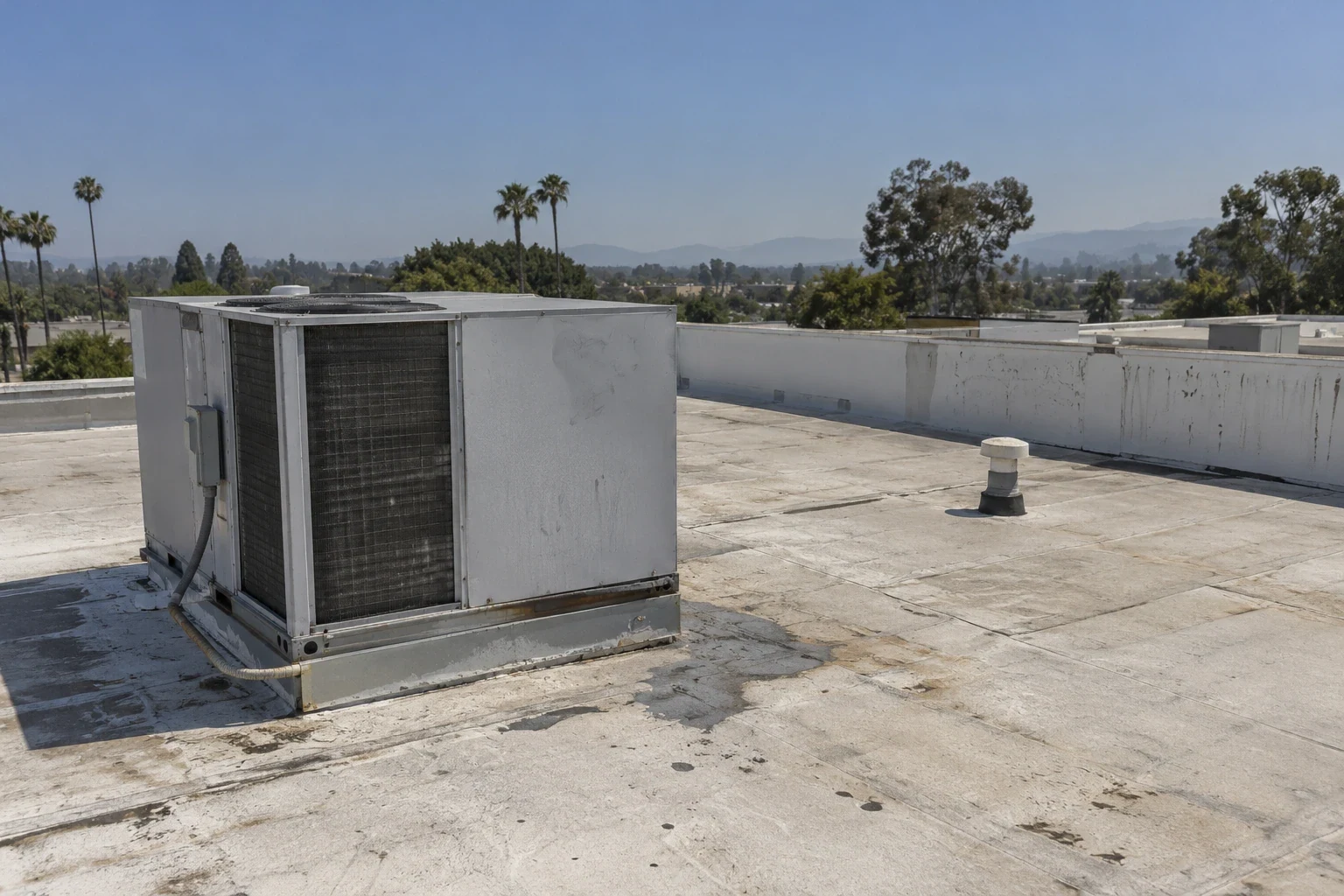
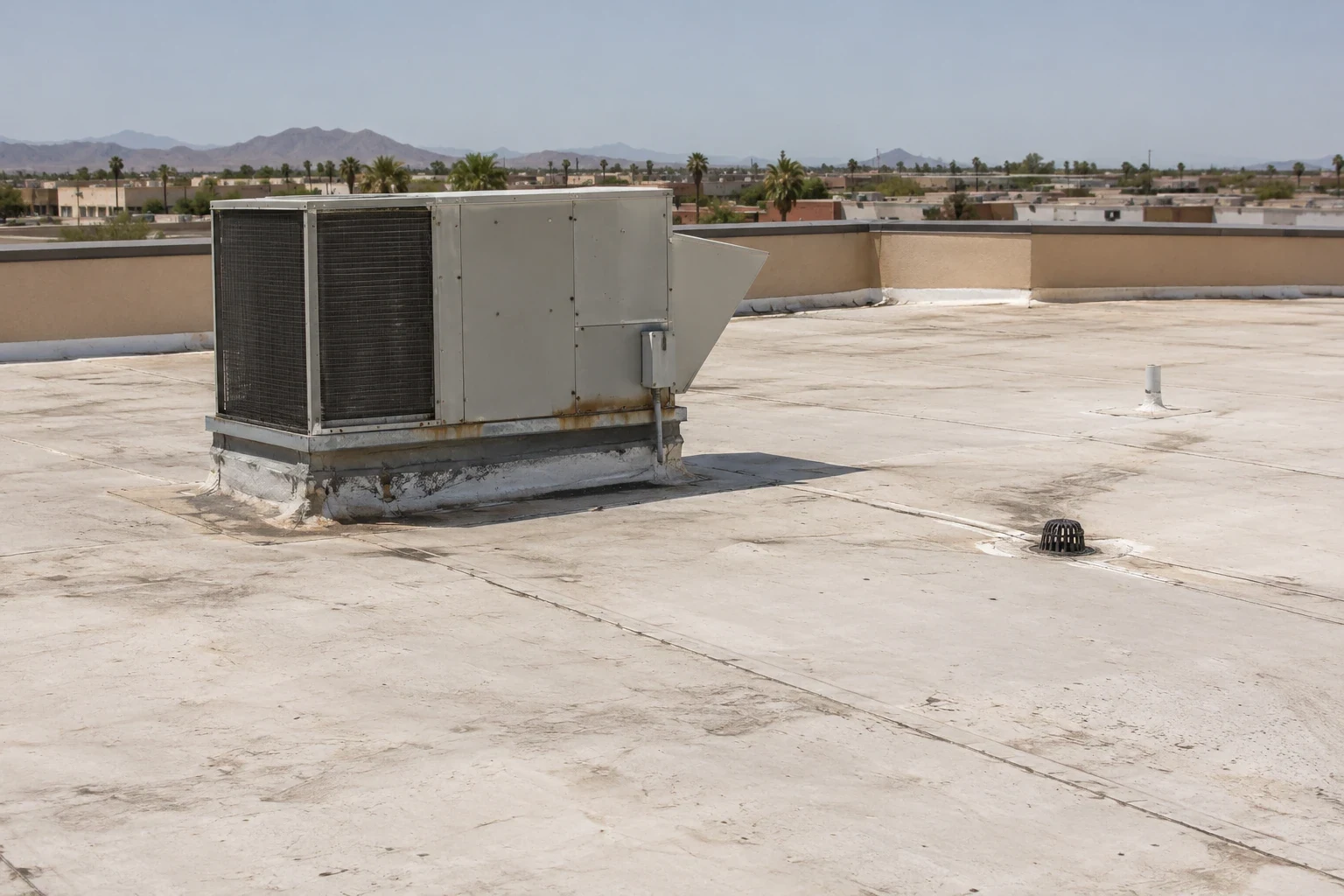
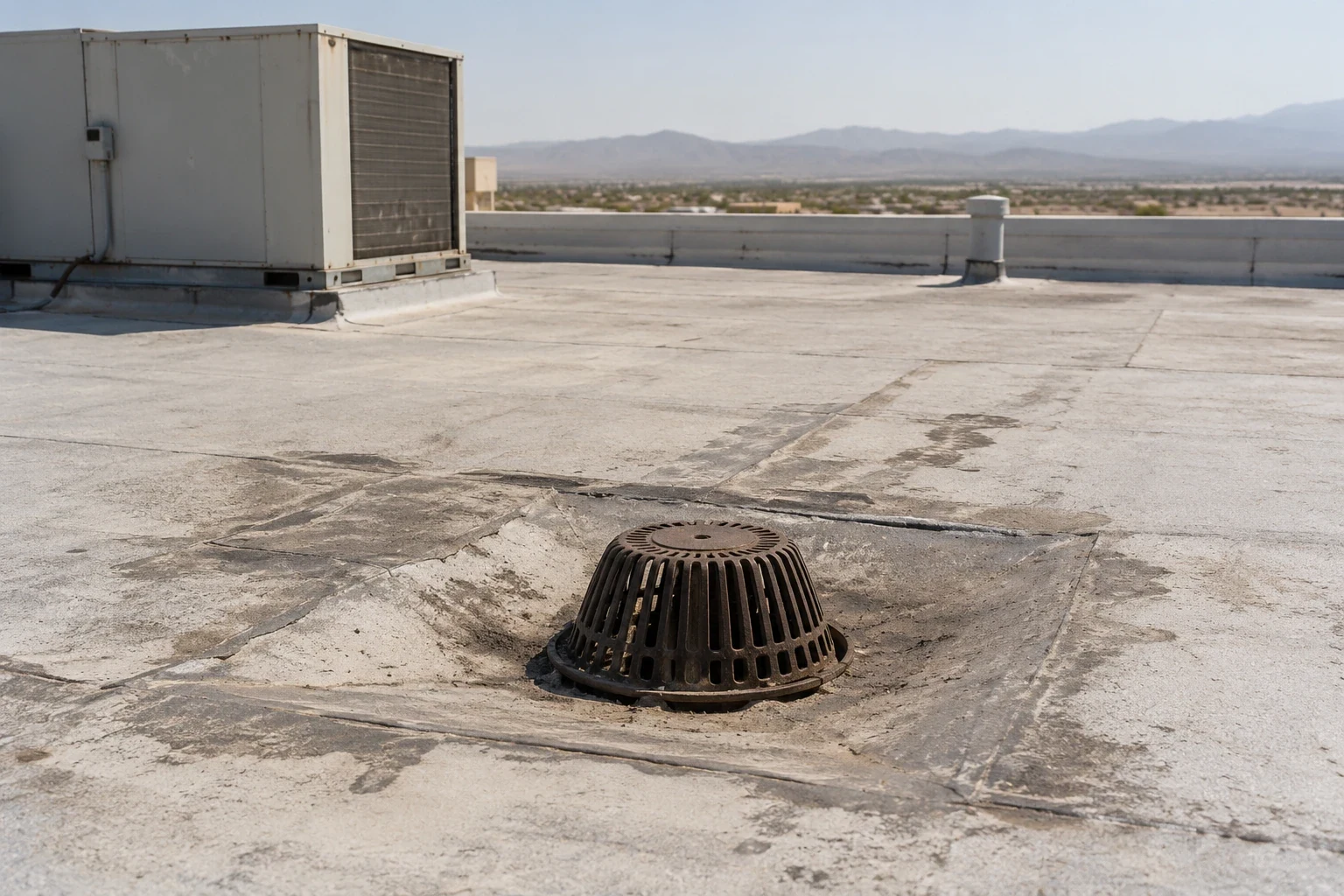
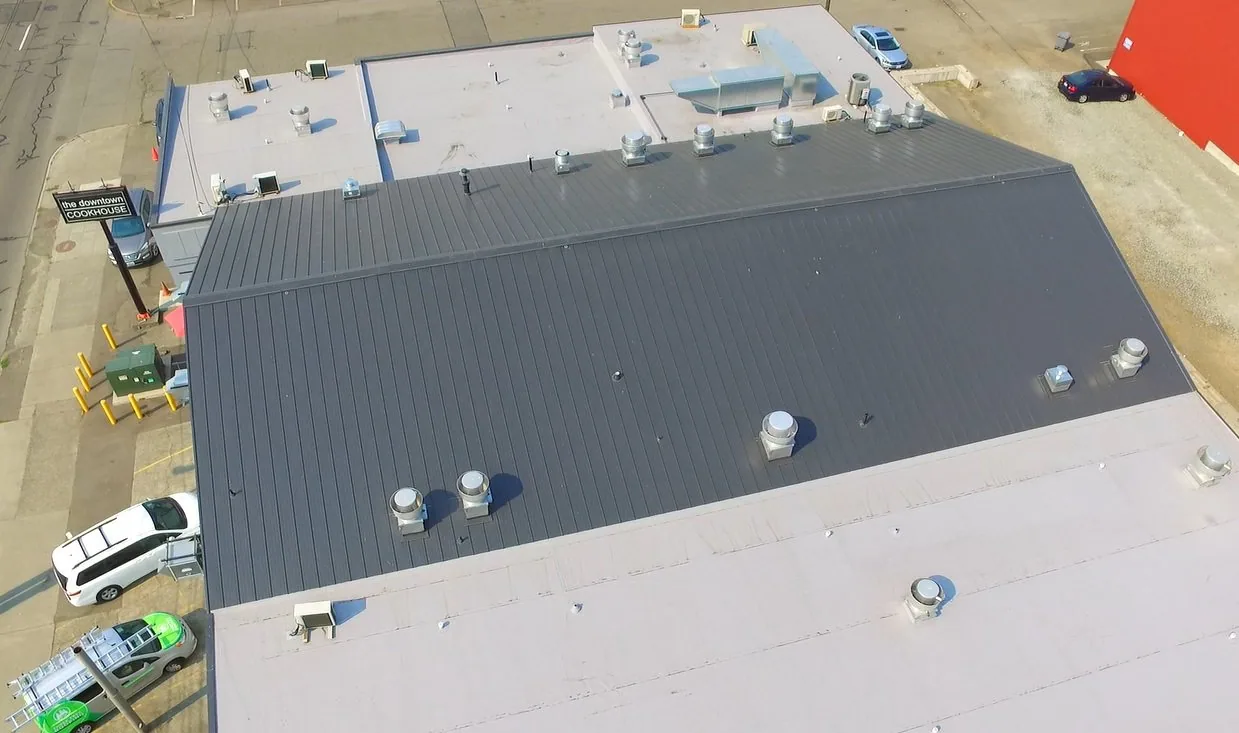
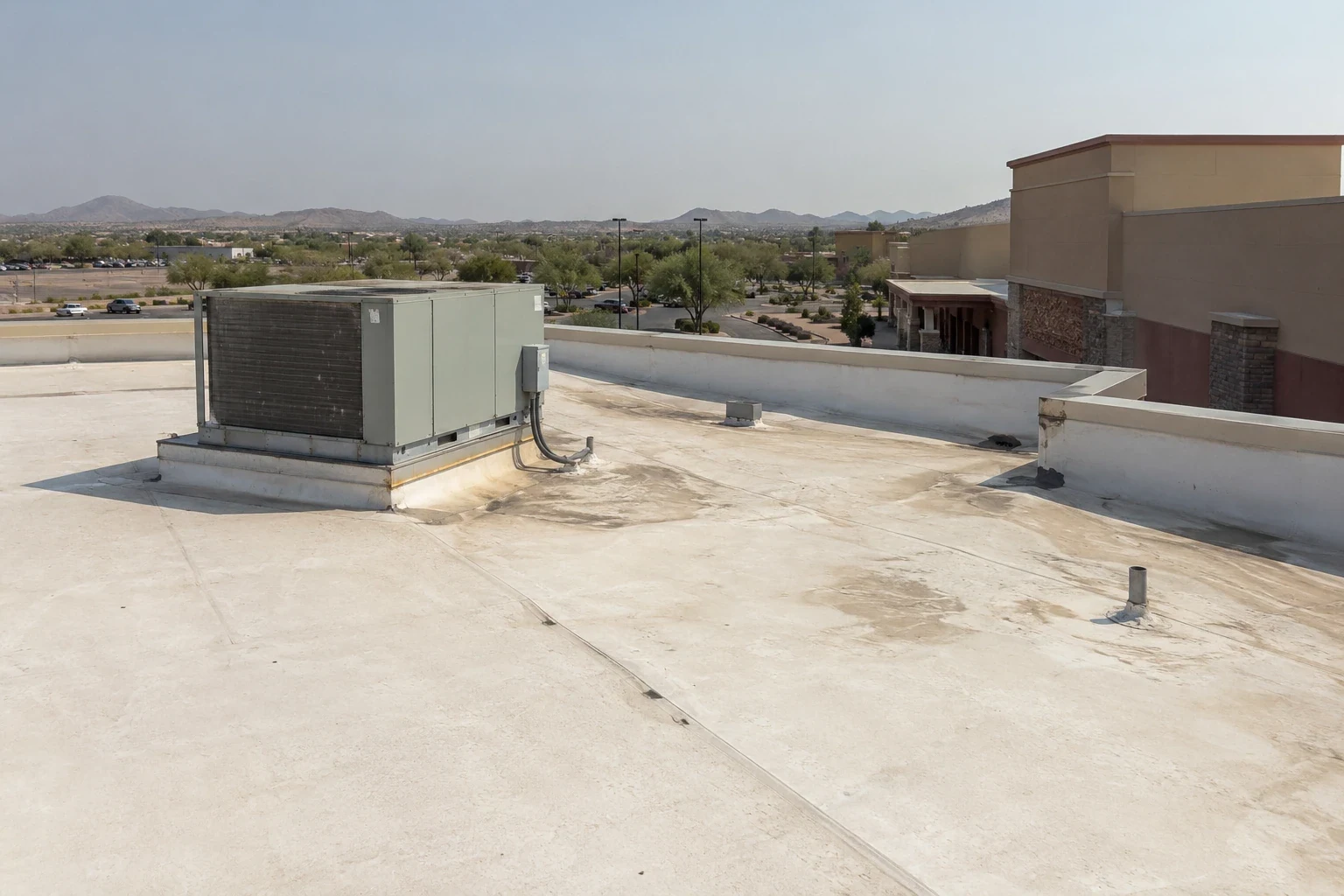
A large field can contain multiple membrane areas, additions, skylights, mechanical rows and past repairs. We label each section on a roof plan and photograph seams, flashing, penetrations, drains, scuppers and metal edges. The plan should make a water report locatable by grid or roof zone. A stain over an aisle does not prove the nearest curb is open, because runoff or water within an assembly may travel before appearing below. We keep the observed condition separate from a test result and state what remains concealed.
Retail roof budgets should also account for the way the store is used. A section above receiving may be released while a sales area remains active, but a fixture or refrigeration line below can need protection or a planned shutdown. We separate lifts, tear-off, insulation, membrane, flashing and interior protection so the owner can see what changes the price. If a test opening finds wet material, the proposal can show how approval and added work are handled before the crew extends the boundary.
When a repair is localized and surrounding material remains sound, we set the boundary and specify the compatible repair detail. Wet insulation, loose attachment, failed deck or repeated leaks may call for a larger removal area. A roof inspection can establish where testing is needed, while drain work may be included if the outlet or slope route contributes to water staying on the roof. Each section gets its own repair note and photo record.
Choose the assembly with curb height and drainage checked
A recover may be possible when the existing roof is dry, attached and allowed to take another layer. The added height can affect curbs, parapets, drains, doors and metal edge details, so we check them before pricing. If the roof needs tear-off, the proposal should separate removal, deck work, insulation, membrane, edge metal and final flashing. Cost and timing change with roof area, lifts, staging, disposal, number of units, after-hours work and how many store zones can be isolated.
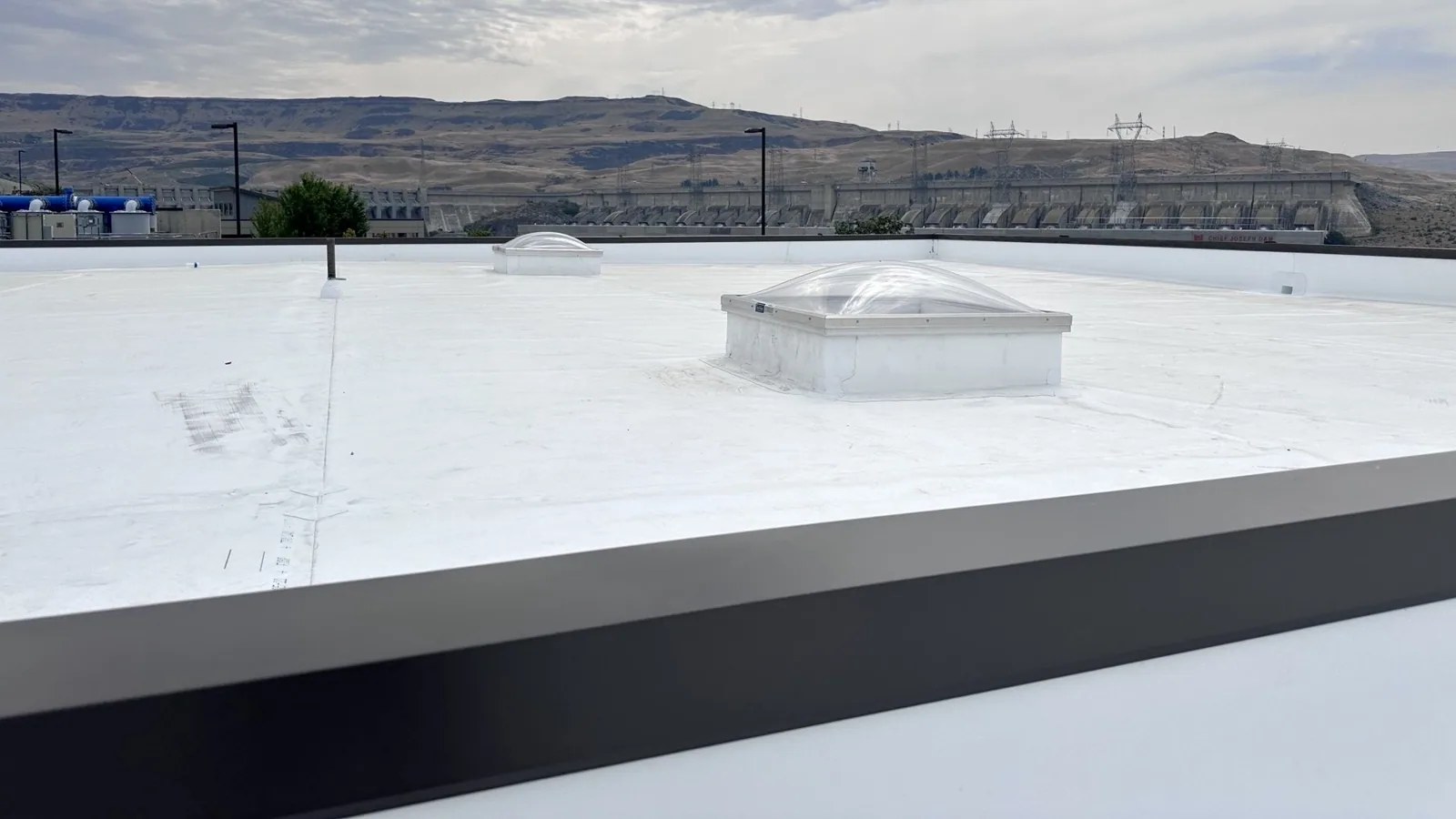
A TPO roof system may be an option when the deck, attachment design and building requirements fit; the field seam and curb details still need a complete plan. Surprise's adopted building and existing-building codes include the 2024 editions with local amendments. The design professional and permitting authority verify the requirements for the project. For a food retailer with cooler and freezer equipment, grocery-store roofing may add more mechanical coordination, but system selection still follows the inspected assembly.
Schedule heat exposure and storm protection
Sky Harbor's July climate normal averages roughly 95.5°F, a metro benchmark rather than a temperature recorded on this retail roof. We look for physical movement and blocked outlets before recommending repairs. The store's roof walk checks membrane, edge metal and sealant directly before a repair scope is selected. We compare affected roof areas with adjacent sections to locate the repair boundary instead of assuming the entire field has aged alike.Strong monsoon cells can test a broad roof field and its edge metal at once; we look for actual displacement or blockage. The crew needs a stop point for each open section, a secure dry-in and someone to verify the temporary tie-in before leaving.A center near Cactus Road and Loop 303 can have changing access as corridor work and commercial activity continue. The store manager and property contact can confirm truck windows and where a lift may sit without blocking customer routes. If a storm causes water entry before a larger project is ready, emergency roof response can protect the affected area while we confirm the permanent repair boundary. We document what the roof showed and do not treat regional weather as proof that a specific building has storm damage.
Record each area before reopening it
At the end of a phase, we inspect seams, curbs, drains, edges and temporary tie-ins, remove loose debris and restore the access route. If a punch item remains, it is listed by roof location with an owner and return step. The store contact should know whether any entrance, loading lane or roof access restriction remains, particularly when the next shift arrives before project management does.
Closeout can include marked sections, dated photos, material information, repair notes and any maintenance item to watch. A roof condition record can help a retail asset manager track work between inspections. For a leak that affects a specific sales-floor area, replacement planning can be compared with repair using the same roof plan and operating assumptions. If several roof additions meet, the plan should distinguish those fields and their tie-ins. A new curb, skylight or wall transition can change the scope even when the visible membrane looks similar. We record what is known, what was tested and which detail needs another trade, then give the property team a clear sequence for the next phase. A clear record lets facilities and store teams locate the detail after the crew moves to another zone.
Commercial Roofing Questions
Can a big-box store remain open during roof work?
It often can, if entrances, customer routes, receiving and protection below are coordinated for each phase. We mark which area changes, when it changes and who can approve an adjustment.
How do you inspect a very large retail roof?
We divide it into roof zones, photograph each assembly and detail, and connect interior reports to those plan locations. Testing is listed by sample point so the result is not applied to an untested area.
What should a store prepare before a roof lift?
The site lead can confirm delivery windows, fire access, customer routes, parking controls and a spotter. The lift and staging plan should show how those paths remain safe while material moves.
When is a recover not suitable?
Wet insulation, poor attachment, damaged deck, excess layers or incompatible project requirements can rule out another roof layer. We inspect and test as needed before making that comparison.
What belongs in retail roof closeout?
Keep a roof plan marked by section, dated photos, repairs and materials, open punch items and any remaining access limitation. The record should match the areas the store contact was told would reopen.
Ready to review the roof scope?
Request a Roof Assessment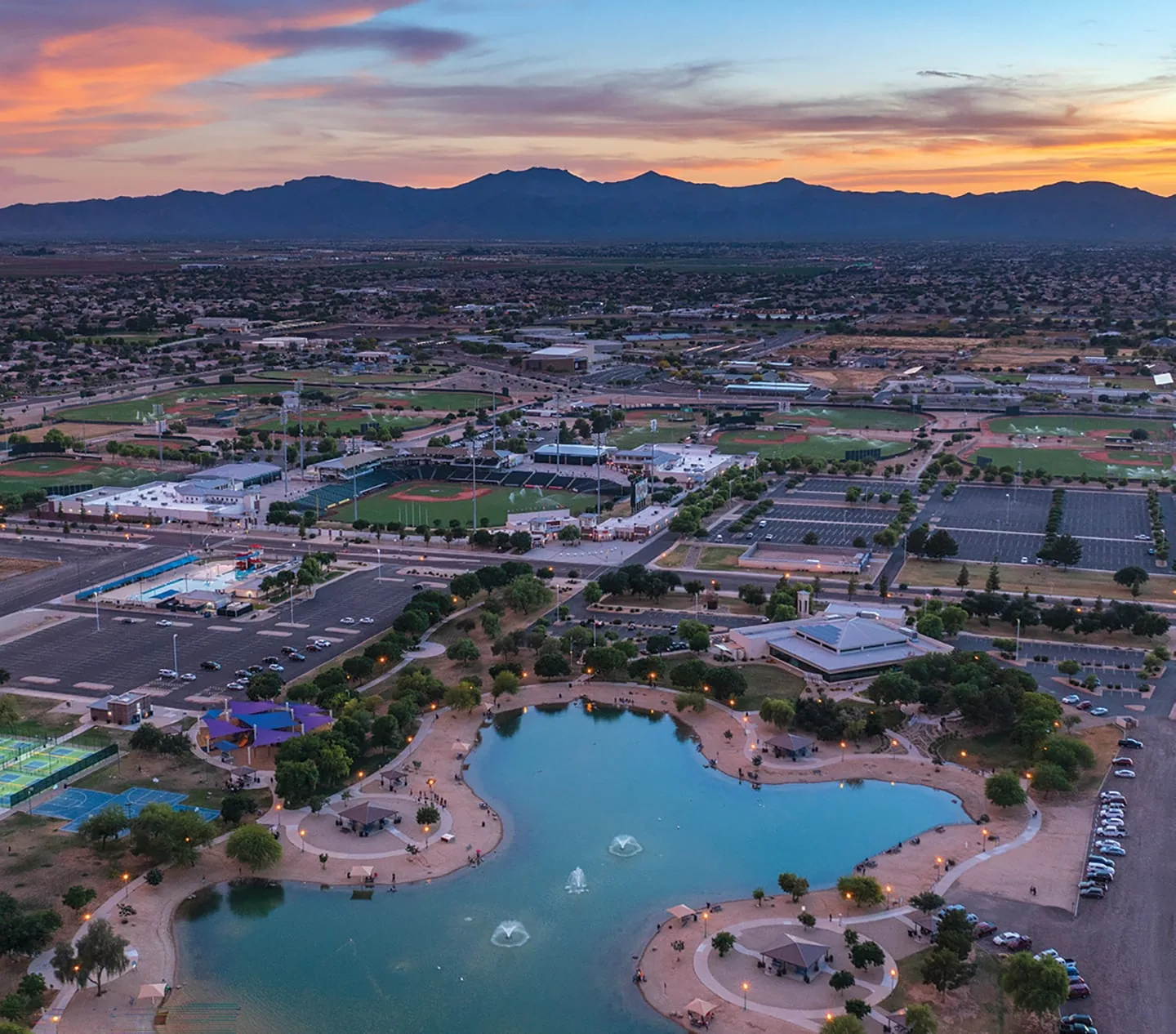
Related Roofing Work
Plan a big-box roof inspection
Share the roof plan, store hours, loading windows and known leak locations. We can coordinate access with the store and property teams, mark repair zones and prepare a written scope around retail operations.