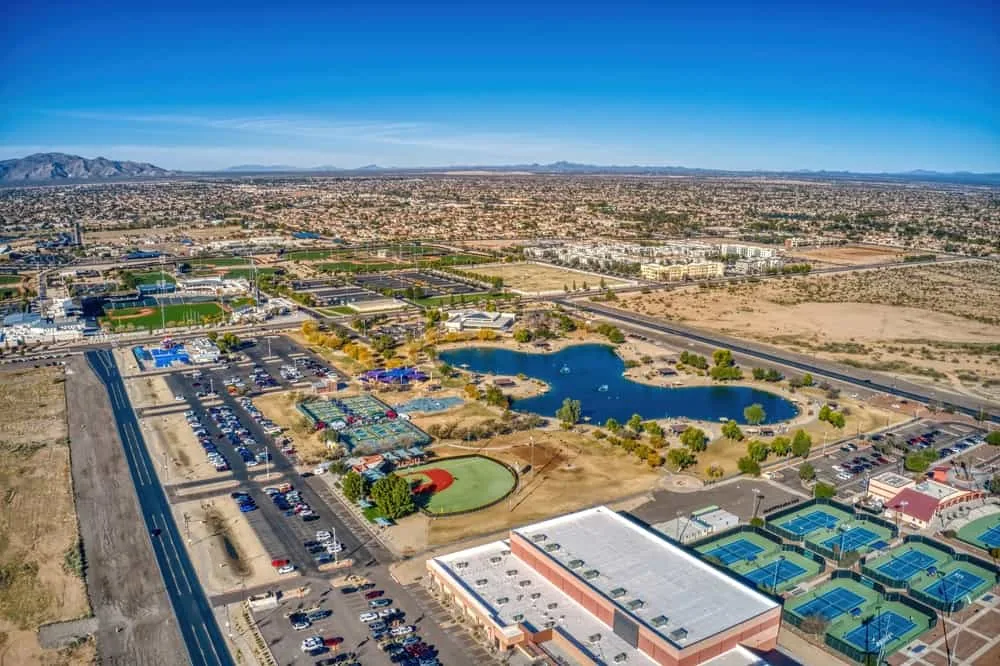
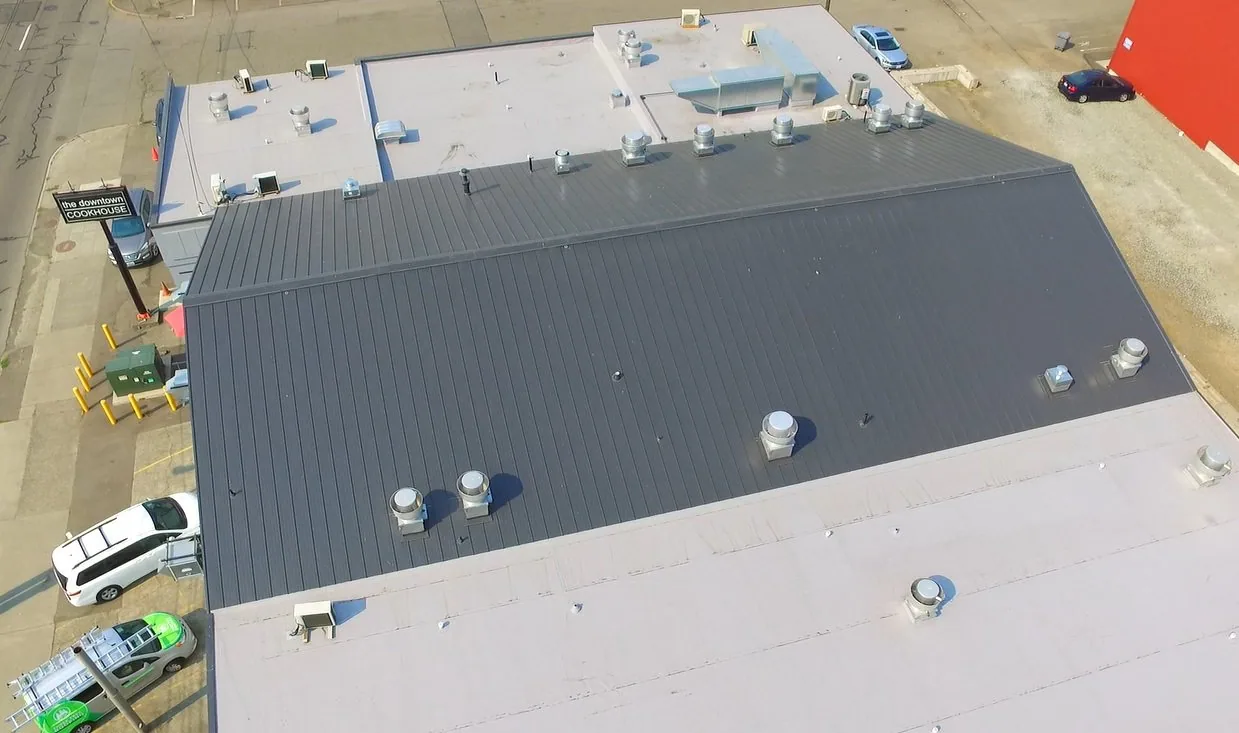
A restaurant roof sits above kitchen exhaust, makeup air, refrigeration, dining rooms and service access that often run on different hours. We inspect grease-area penetrations, curbs, seams, drains and edge metal, then coordinate the work window with the manager and mechanical contractor. Surprise City Center includes restaurants among its commercial uses, and Cactus Road and Loop 303 is a broader retail and service corridor. Those places help frame the local operating context, but the condition and access rules of each restaurant have to be checked at the building.
Coordinate exhaust and kitchen service
Before roof work, the manager can identify opening hours, prep schedules, deliveries, outdoor dining, air intakes and any exhaust fan that needs to remain in service. The kitchen or mechanical trade confirms whether a shutdown is allowed and how the unit returns to operation. We coordinate roof flashing and membrane work around that handoff, but do not disconnect a fan or assume grease duct service can pause without approval. The sequence should identify who controls the unit, when the roof detail can close and what protection is needed below.
Before cleaning or replacing a curb, we note where exhaust residue has collected and whether a hood service visit is scheduled. Air intakes, outdoor seating and neighboring tenant doors may need protection from dust, debris or wash water. The restaurant contact can confirm the work hours that do not interrupt prep or service, while the trade partner confirms the equipment conditions. Those details belong in the scope with the membrane work, not in a separate note that arrives after the roof is open.
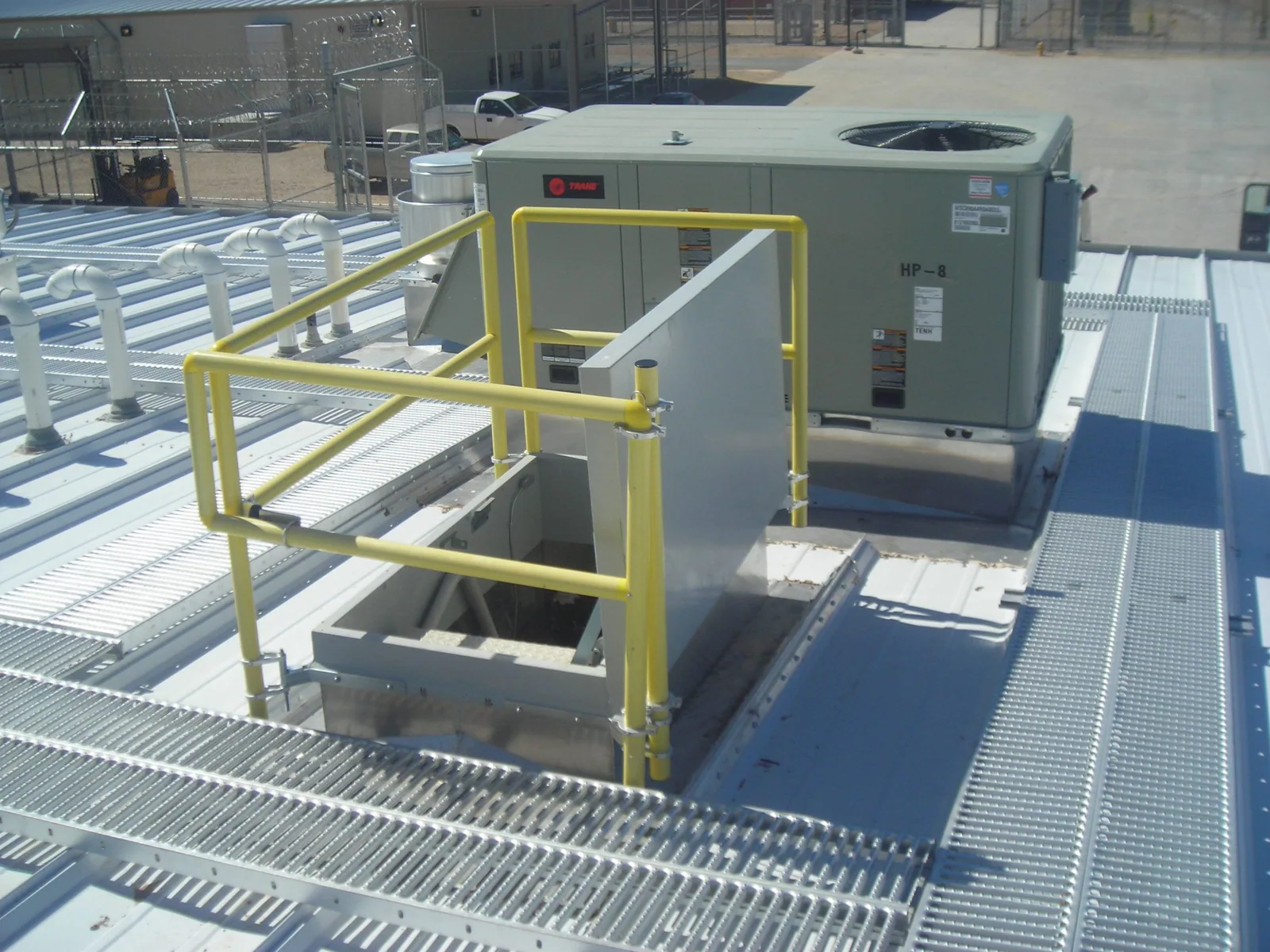
Exhaust, grease residue and service traffic can affect surface preparation and access. We look at the curb, surrounding membrane, fasteners, flashing and drainage, then mark any area that needs cleaning or a compatible repair before a coating or replacement. A curb and support review can identify the trade handoff at equipment, while phased roof work can keep diners, staff and delivery routes away from the active zone.
Trace water without guessing at the source
A ceiling mark above a dining room can come from a roof path that begins at a seam, curb or drain several feet away. We compare the interior report with roof slope and the condition of flashings, penetrations, skylights and prior repairs. If a test cut or moisture survey is needed, we note its location and what it confirmed. The report separates visible surface wear from wet insulation or deck conditions that require an opening to verify.
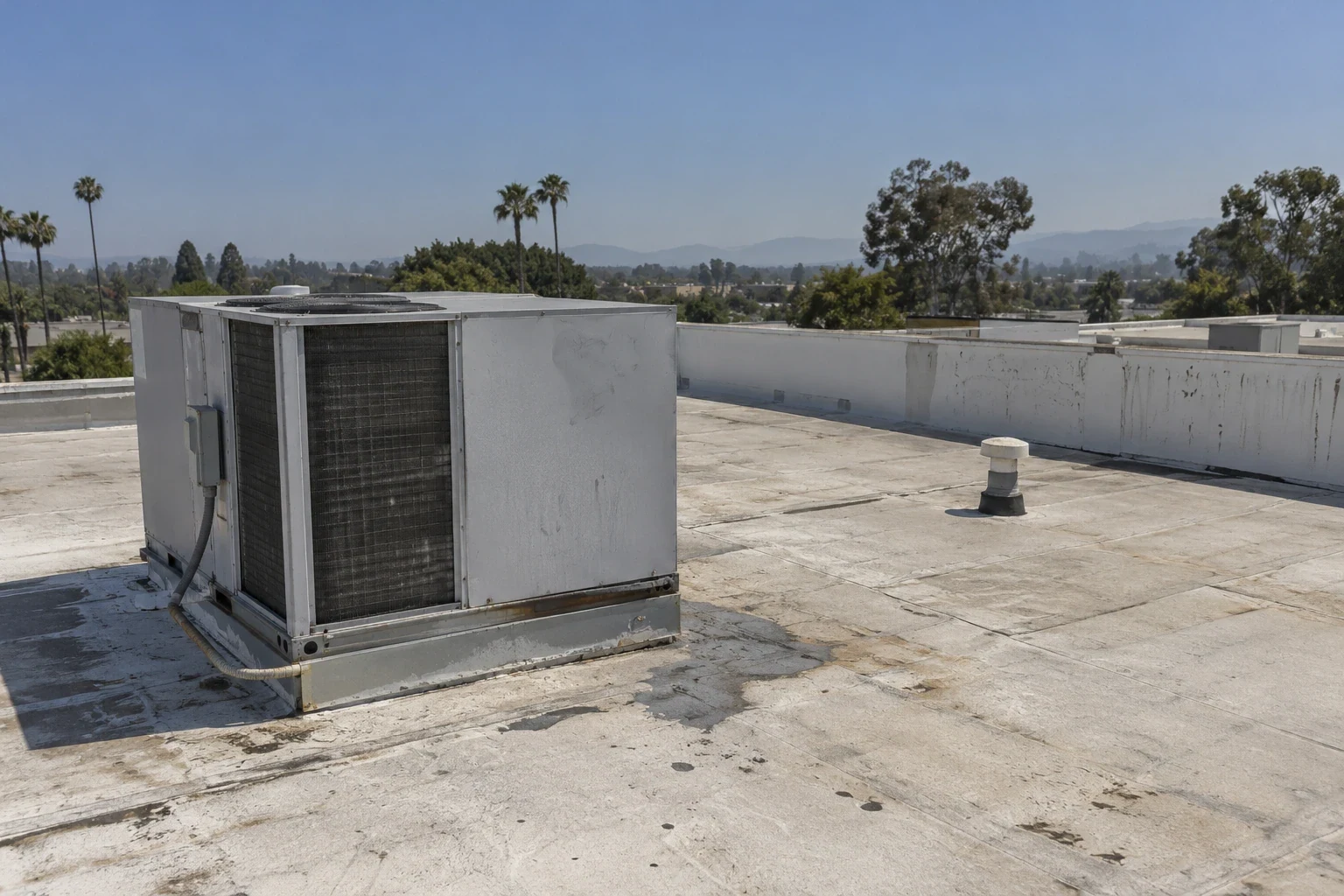
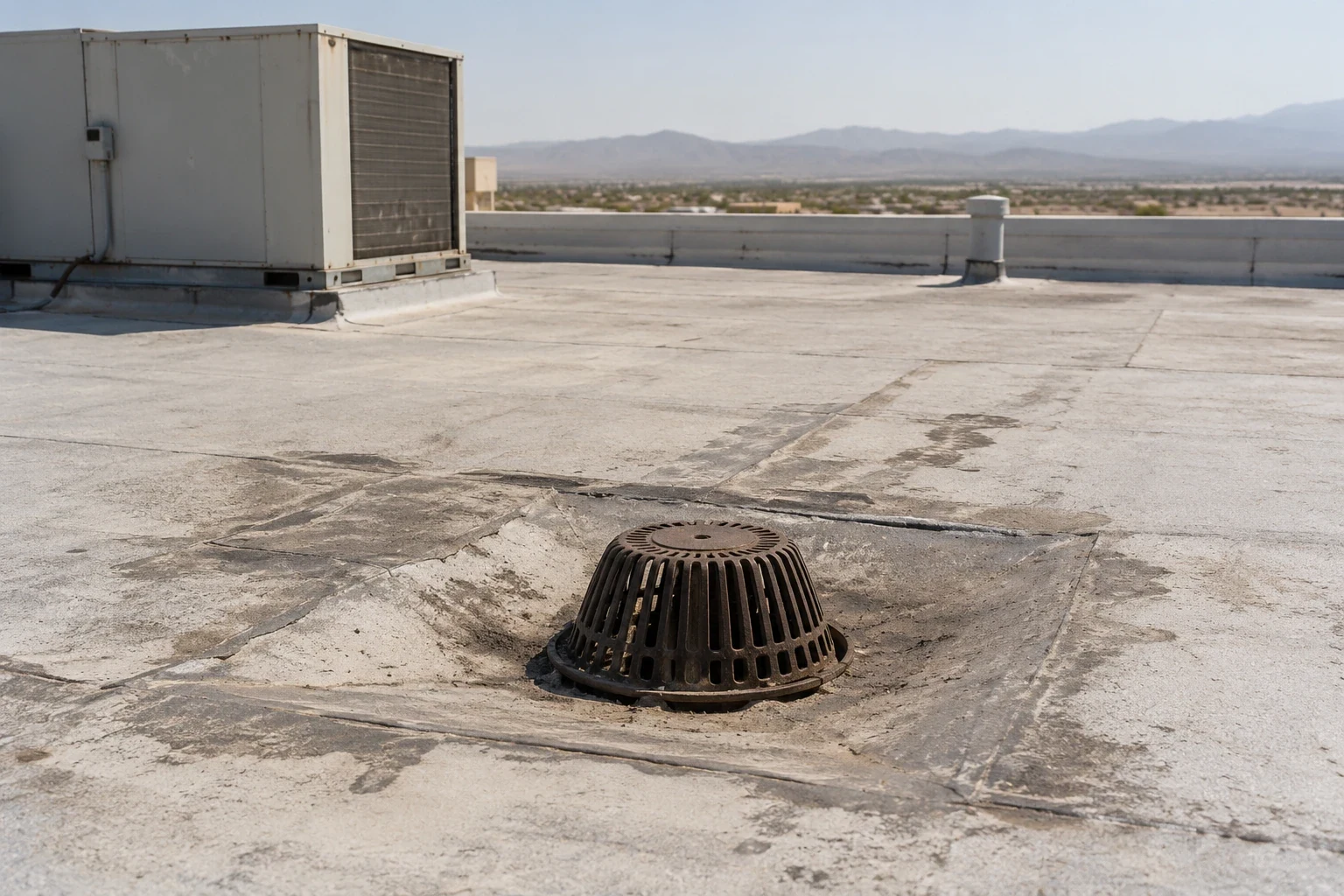
Kitchen roofs often have several small transitions close together. We photograph each one, tie the detail to a plan and list the repair boundary. A roof inspection can help the owner choose between a local repair and a broader study. If runoff is part of the problem, drain and scupper work should be coordinated with the membrane so water reaches its outlet without crossing a failed flashing or wall transition.
Compare coating, repair and replacement
A repair may be enough if the surrounding membrane and attachment remain sound. If moisture is widespread, seams have failed in several areas or the deck is compromised, the project may need removal or replacement. A coating is only a candidate over a compatible, dry and stable surface. Cleaning, adhesion testing, seam reinforcement, curb repairs and drain protection all belong in the scope. coating restoration should not cover a loose detail or solve a drainage defect; we first separate preparation work from conditions that call for another assembly.
For a replacement, the deck, insulation, attachment, curb height and project requirements inform the system choice. A TPO assembly may fit some low-slope roofs, but flashing and equipment clearance still matter. The permit review for a restaurant scope should confirm how Surprise's adopted 2024 building and existing-building codes, including local amendments, apply to the proposed work. The design professional and permitting authority confirm the path for the actual scope. Cost and timing change with roof area, exhaust and unit coordination, after-hours work, staging, disposal and whether the restaurant can release a section while service continues.
Protect the work through heat and storms
Phoenix Sky Harbor's long-term July normal mean is 95.5°F, providing metro context only, not a restaurant roof-surface measurement. We inspect kitchen exhaust curbs, parapets, and drains where rainwater could find an opening. We photograph exhaust and make-up-air penetrations so the repair addresses the opening actually found on the roof. Repeated low-desert heat makes sealant, flashing, exposed laps and equipment curb transitions useful inspection points, but the roof condition must be documented on site.Monsoon gusts and short heavy showers can expose weak kitchen-exhaust flashing, parapet corners, or blocked outlets. We set a stop-work point for each open area, secure material and make a weather-tight tie-in before the crew leaves.At a restaurant near Cactus Road and Loop 303, deliveries and customer traffic may affect where a lift or material can be staged. The manager and property contact confirm the actual route and service window before crews mobilize. If a storm brings active water entry, a bounded roof repair can protect the opening while the owner decides whether a larger scope is needed. We keep a record of what was observed and do not treat local weather as proof of damage to a particular kitchen or dining room.
Give the manager a clean service handoff
At completion, we check the repaired flashing, curb, drain, seam and tie-in, remove loose debris and return the approved access path. The manager should know whether any roof area remains restricted, when equipment can return to service and who owns any follow-up item. Photos should identify the detail and roof zone rather than simply show a completed workday. If a return visit is needed, the location and reason belong in the record before another shift takes over.
Closeout can include a marked roof plan, materials, dated photos, repair notes and maintenance steps. A roof condition record can help track work when a restaurant changes its kitchen equipment or service schedule. For a property with several storefronts, shopping-center roof coordination may involve shared drainage and tenant notices. A big-box retail roof may emphasize a wider sales floor and receiving zone. The restaurant's own exhaust and kitchen hours remain its primary constraints. We can review the finished area with the facility contact and prepare a written next step. Keep the photo record with the service file for the next manager.
Commercial Roofing Questions
Can a restaurant remain open during a roof repair?
It often can if the work area, customer path, exhaust service and delivery route are coordinated before opening the roof. We plan the phase with the manager and trade responsible for the equipment.
Who decides if a kitchen exhaust fan can be shut down?
The restaurant operator and mechanical or kitchen-equipment contractor confirm service limits and restart. We schedule flashing work around that approval and state when the curb detail can be closed.
Can a roof coating fix leaks around exhaust equipment?
Only when the existing surface is compatible and the underlying details can be repaired. We inspect the curb, seams, attachment and moisture first, then compare coating with repair or replacement if the assembly is not sound.
How do you protect dining and prep areas?
The manager identifies sensitive rooms and access routes, and we coordinate temporary protection below each work zone. The scope notes equipment shutdowns, noise windows and any route that changes during the phase.
What should be in the repair record?
Keep a roof plan marked with the detail, dated photos, repair materials, any equipment handoff and the next maintenance step. That helps a new manager locate the work without relying on a verbal history.
Ready to review the roof scope?
Request a Roof Assessment
Related Roofing Work
Coordinate a restaurant roof walk
Share the roof plan, service hours, exhaust contacts and leak locations. We can coordinate access with the manager, inspect the curb and drainage details and prepare a work window that fits restaurant operations.